Atlas · Plate VI · Scientific Basis
Microbiology and Immunology
Microbiology and immunology explain what lives in dental biofilm, which infections can pass between patients and the dental team, and how the body defends itself. The core ideas are gram-positive versus gram-negative bacteria, how plaque matures from early streptococci toward gram-negative anaerobes and the red complex, and the difference between innate and adaptive immunity.
Chairside, this knowledge explains why biofilm has to be disrupted mechanically, why elective care waits during active herpes vesicles or active TB, and why every clinician completes hepatitis B vaccination and an antibody test. On the NBDHE, expect items on the Socransky complexes, needlestick transmission risks for HBV, HCV and HIV, the five antibody classes and the four types of hypersensitivity.
Blueprint Scientific Basis for Dental Hygiene Practice · Microbiology and Immunology · 54 facts
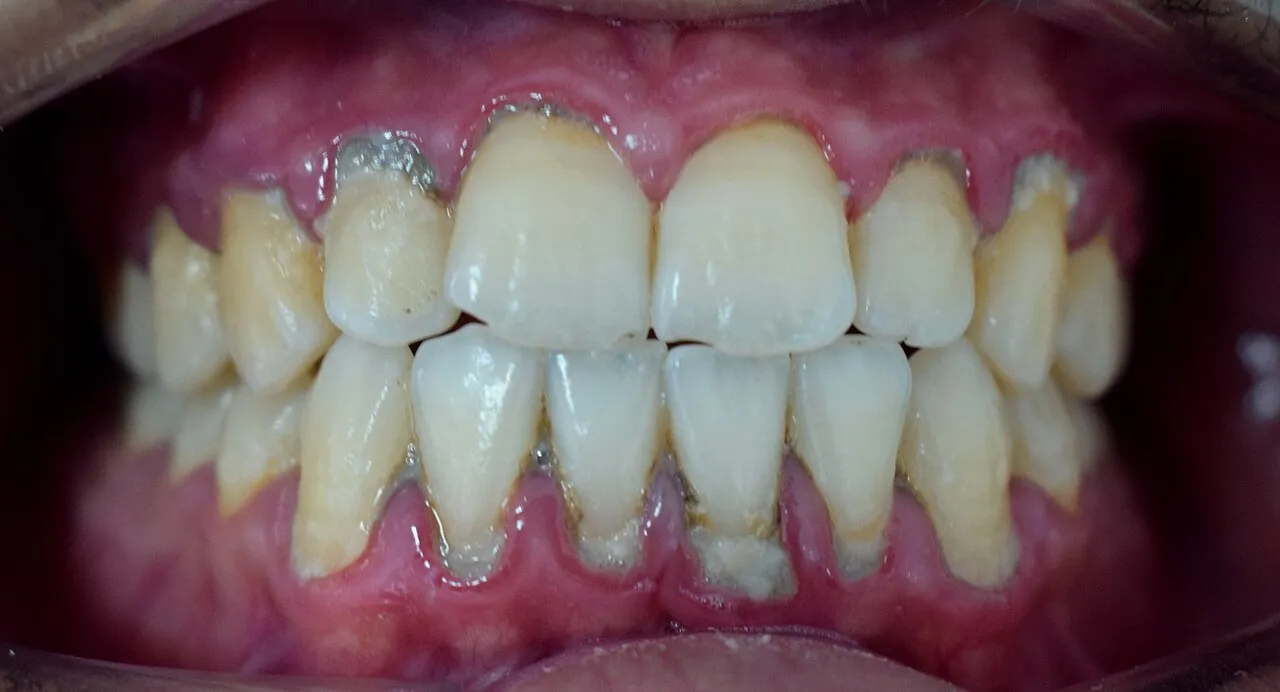

In this plate, we cover
01 · 7 facts
Microbiology basics
Bacteria are grouped by shape (cocci, rods and spirochetes) and by Gram stain: gram-positive cells have a thick wall and stain purple, while gram-negative cells have a thin wall, an outer membrane carrying endotoxin, and stain pink. Viruses hold DNA or RNA and replicate only inside host cells. Bacterial endospores and prions are the hardest agents to destroy.
- Gram-positive bacteria have a thick peptidoglycan wall and stain purple; gram-negative bacteria have a thin wall plus an outer membrane with endotoxin (LPS) and stain pink.S50
- Endotoxin (LPS) from gram-negative bacteria drives much of the inflammation in periodontitis.S38
- Bacterial shapes: cocci (spheres), bacilli (rods), spirochetes (spirals).S50
- Bacterial endospores (e.g., Bacillus, Clostridium, Geobacillus) are the most resistant life form, so they are used to test sterilizers.S50S9
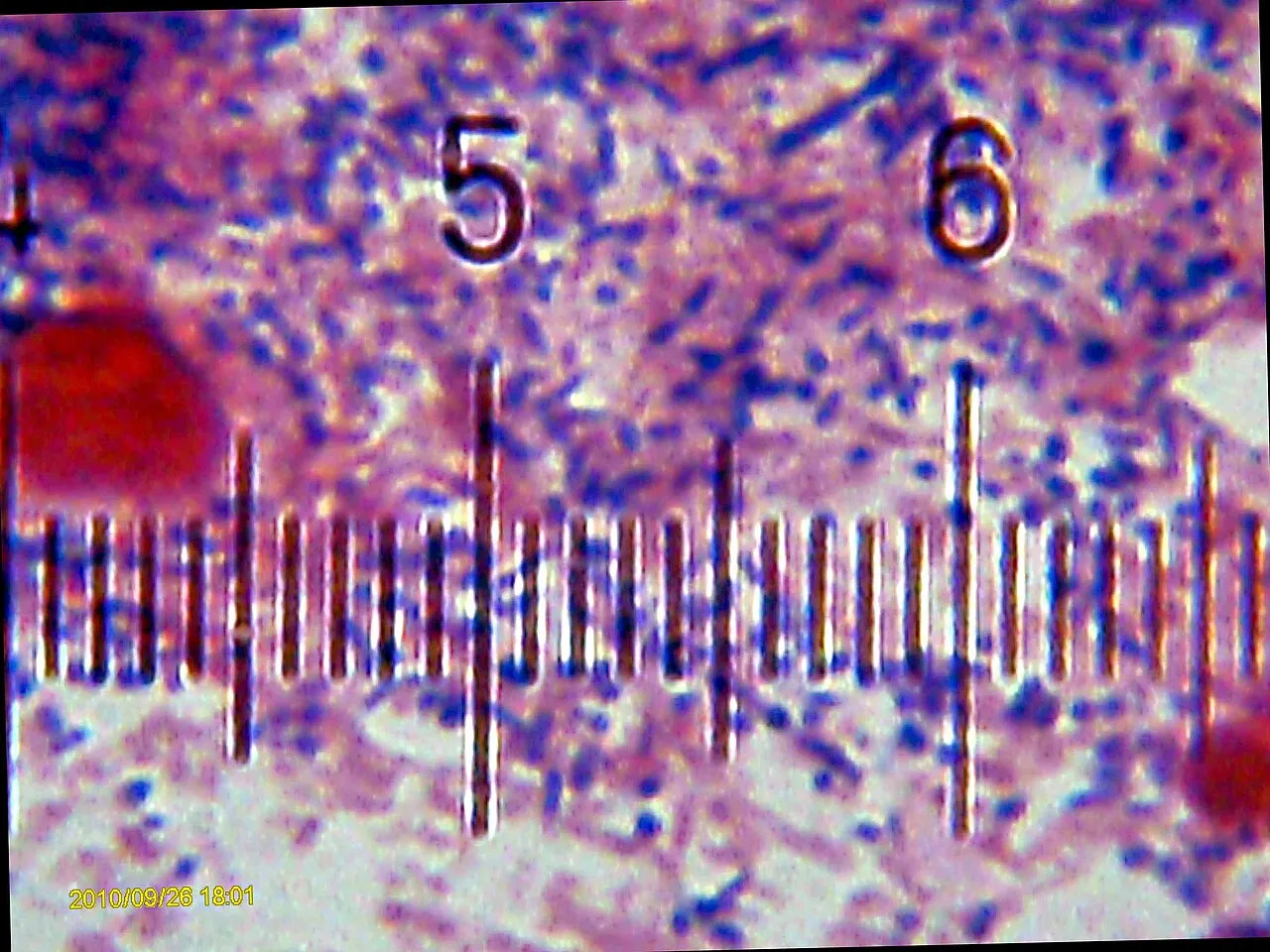

02 · 9 facts
Dental biofilm
Within minutes a salivary pellicle coats a clean tooth, and gram-positive streptococci and Actinomyces attach first. Left undisturbed, the biofilm shifts toward gram-negative anaerobes and spirochetes; the red complex (P. gingivalis, T. forsythia, T. denticola) is the most pathogenic. Biofilm resists antimicrobials far better than free-floating bacteria, so it must be removed mechanically before it mineralizes into calculus.
- The acquired pellicle (salivary glycoproteins) forms on a clean tooth within minutes.S38
- Early colonizers are gram-positive facultative cocci and rods (Streptococcus sanguinis, S. oralis, Actinomyces).S38
- Biofilm shifts toward gram-negative anaerobic rods and spirochetes as it matures and moves subgingivally.S38
- Clinical gingivitis appears after about 10-21 days of undisturbed plaque (experimental gingivitis model).S38
03 · 8 facts
Oral infections
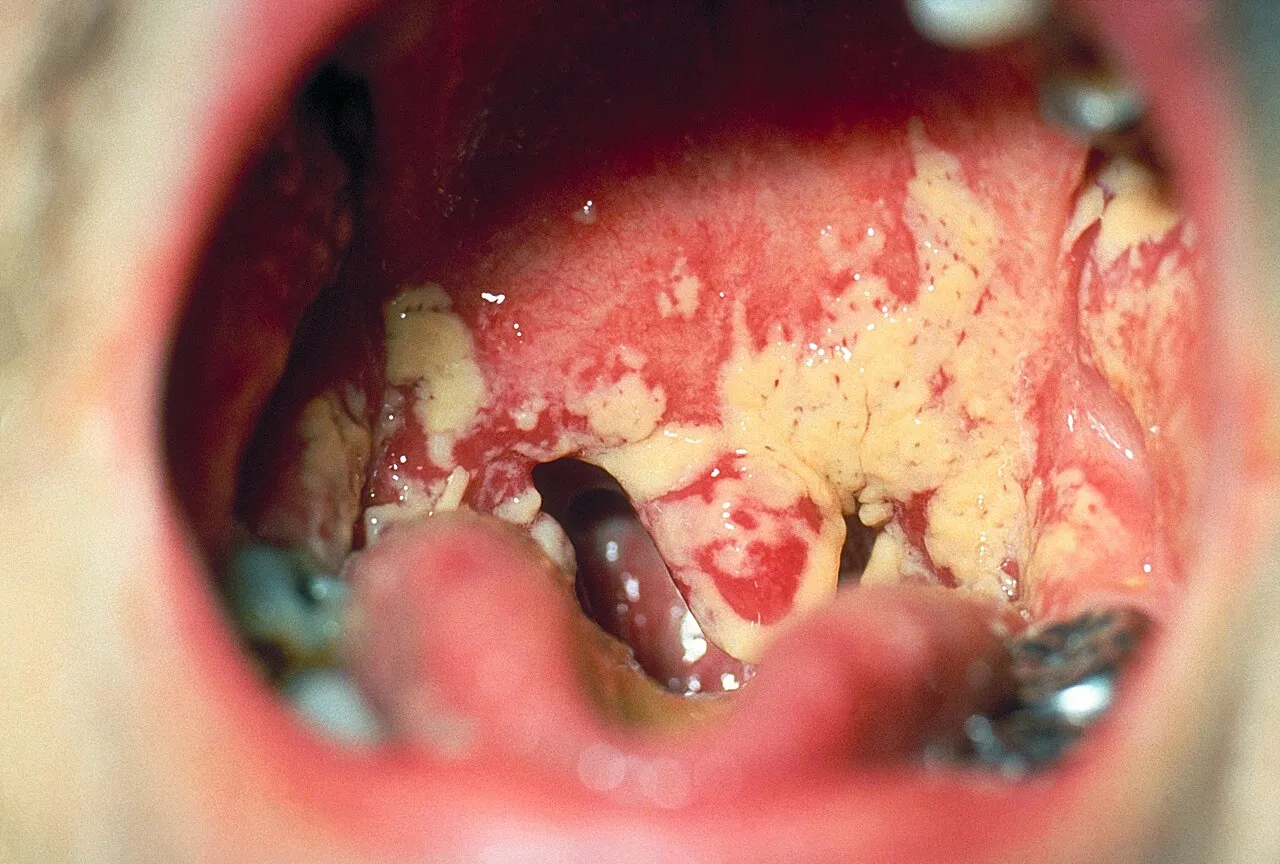
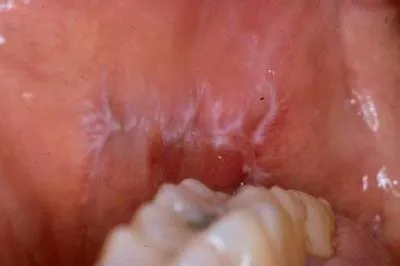
Candida albicans causes pseudomembranous thrush, which wipes off to leave a red base, and red erythematous candidiasis under dentures. Viral causes include HSV-1 (primary gingivostomatitis and recurrent cold sores), varicella-zoster (shingles that stops at the midline), Coxsackie A (herpangina and hand-foot-and-mouth disease), Epstein-Barr virus (hairy leukoplakia) and HPV, whose types 16 and 18 are high risk for cancer.
- Candida albicans causes oral candidiasis; risk factors include dentures, antibiotics, inhaled steroids, xerostomia, diabetes and HIV.T5
- Pseudomembranous candidiasis wipes off and leaves a red base; erythematous candidiasis is red and commonly under dentures.T5
- HSV-1 causes primary herpetic gingivostomatitis (often in children) and recurrent herpes labialis.T5
- Herpes lesions are most contagious in the vesicle stage; postpone elective care.T2

04 · 6 facts
Bloodborne diseases
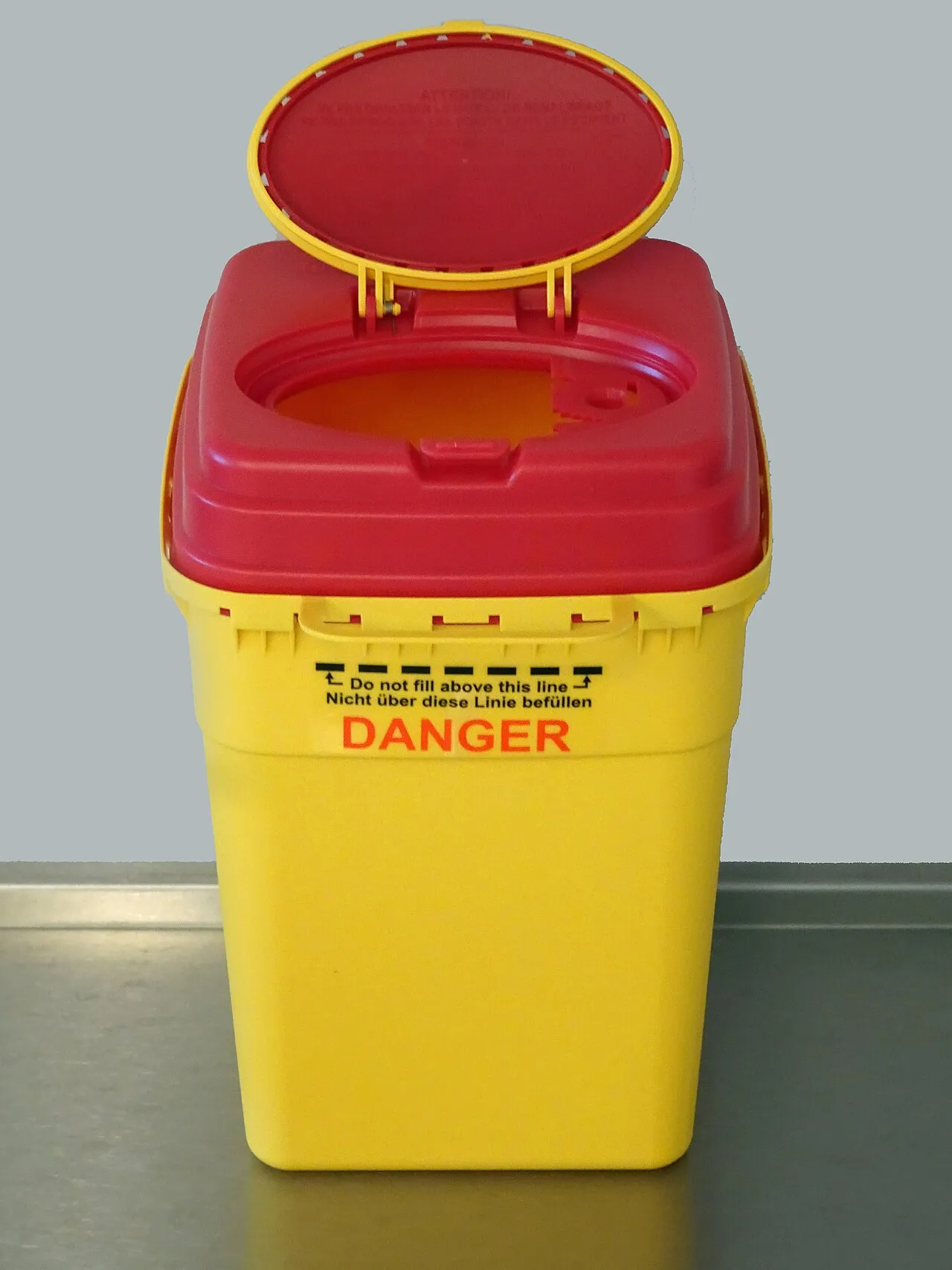
Hepatitis B, hepatitis C and HIV are the main bloodborne threats in dentistry. After a needlestick, HBV transmits most readily (up to about 30% from an HBeAg-positive source), then HCV (about 1.8%), then HIV (about 0.3%). HBV can survive in dried blood on surfaces for at least 7 days, and there is no vaccine for hepatitis C.
- Hepatitis B is a DNA virus; it can survive in dried blood on surfaces for at least 7 days.S7
- Hepatitis C is an RNA virus with no vaccine; it is the most common chronic bloodborne infection in the US.S7
- HIV after a needlestick from an infected source carries about a 0.3% risk; mucous membrane exposure about 0.09%.S7
- HBV transmission risk after a needlestick is up to about 30% from an HBeAg-positive source; HCV about 1.8%.S7

05 · 4 facts
Airborne diseases
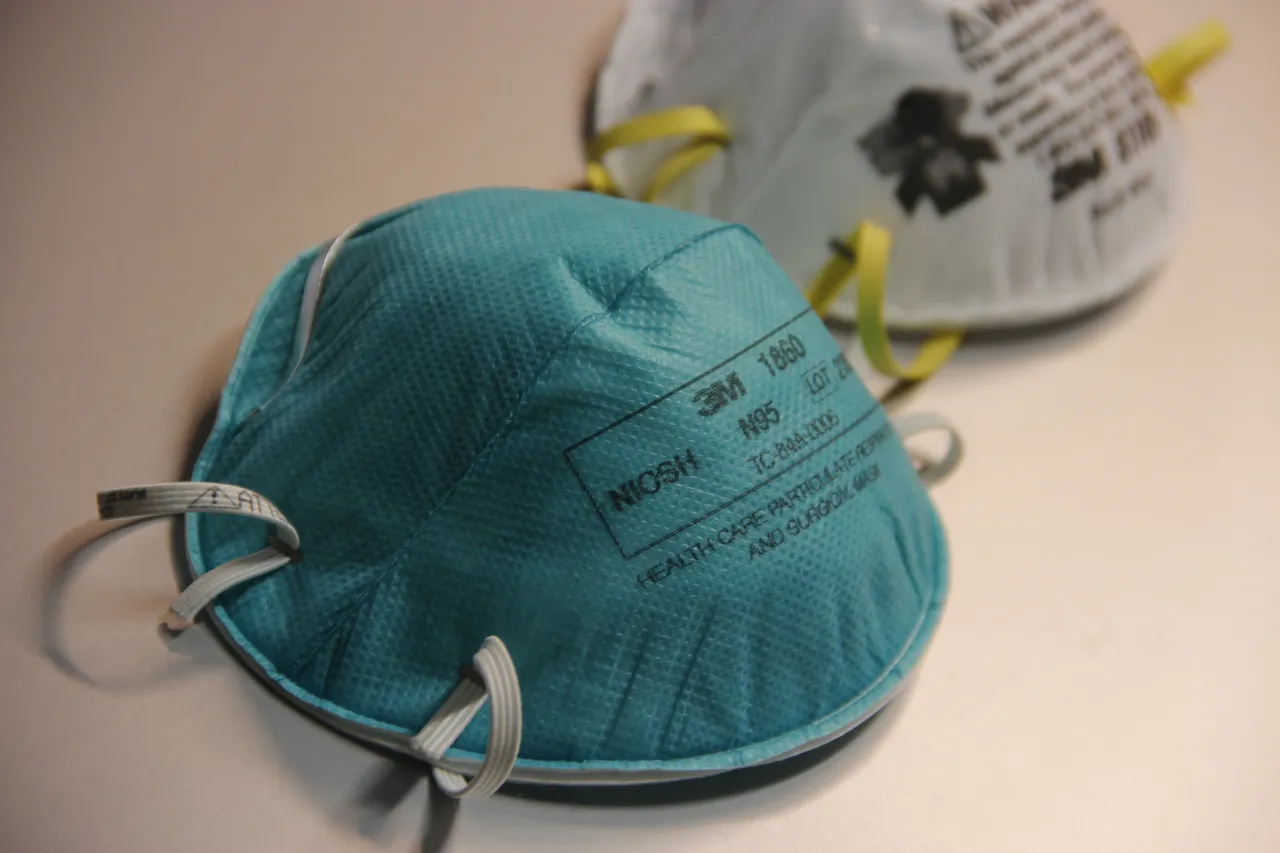
Tuberculosis travels on airborne droplet nuclei, so a patient with active or suspected TB is referred to a facility with an airborne infection isolation room, and elective dental care waits. Dental personnel get a baseline TB test, either a two-step skin test or an IGRA, at hire. Measles and varicella are also airborne, while influenza and pertussis spread mainly by droplets.
- Tuberculosis (Mycobacterium tuberculosis) is spread by airborne droplet nuclei; elective dental care is deferred in active TB.S7S66
- Patients with suspected or active TB need an airborne infection isolation room; a dental office should refer them.S7
- Health care workers get a baseline TB test (two-step TST or an IGRA) at hire.S7S66
- Measles, varicella and TB are airborne; influenza and pertussis spread mainly by droplets.S50

06 · 7 facts
Innate and adaptive immunity
Innate immunity responds at once and without specificity: skin, mucosa, neutrophils, macrophages and complement. Neutrophils are the first white cells into acute inflammation and the main defenders in the sulcus. Adaptive immunity is specific and has memory: B cells and plasma cells make antibodies, CD4 helper and CD8 cytotoxic T cells drive cell-mediated defense, and HIV targets the CD4 cells.
- Innate immunity is immediate and nonspecific (skin, mucosa, neutrophils, macrophages, complement).S50
- Neutrophils (PMNs) are the first white cells to arrive in acute inflammation and the main defenders in the sulcus.S38
- Adaptive immunity is specific and has memory: B cells make antibodies (humoral); T cells drive cell-mediated immunity.S50
- Helper T cells are CD4+; cytotoxic T cells are CD8+. HIV attacks CD4+ cells.S50
07 · 9 facts
Antibodies and hypersensitivity
There are five antibody classes. IgG is the most plentiful and the only one that crosses the placenta, secretory IgA guards saliva and mucosa, IgM is made first, and IgE drives immediate allergy. Hypersensitivity has four types: I (IgE: anaphylaxis, latex allergy), II (cytotoxic: pemphigus vulgaris), III (immune complex: lupus) and IV (delayed, T cell: contact dermatitis, lichenoid reactions).
- Five antibody classes: IgG, IgA, IgM, IgE, IgD.S50
- IgG is the most abundant in serum and the only one that crosses the placenta.S50
- Secretory IgA protects mucosal surfaces and is the main antibody in saliva and breast milk.S50
- IgM is a pentamer and is the first antibody made in a new infection.S50

08 · 4 facts
Vaccines for health care personnel
Dental personnel should be vaccinated against hepatitis B, influenza every year, measles, mumps and rubella, varicella and Tdap, with COVID-19 per current guidance. The hepatitis B series is three doses at 0, 1 and 6 months. An anti-HBs test 1-2 months after the last dose showing at least 10 mIU/mL confirms protection, and confirmed responders need no boosters.
- Hepatitis B vaccine is given in a 3-dose series at 0, 1 and 6 months (a 2-dose adjuvanted vaccine is also licensed).S25
- Test for anti-HBs 1-2 months after the last dose; 10 mIU/mL or more means the worker is protected.S7S25
- Responders do not need boosters even if antibody levels later fall.S7
- Recommended for dental personnel: hepatitis B, influenza (yearly), MMR, varicella, Tdap; COVID-19 per current guidance.S25