Atlas · Plate XVII · Clinical Services
Patient Management and Special Needs
Patient management is what turns a treatment plan into a healthier patient: teaching self-care in a way that sticks, helping tobacco users quit, and adapting care for children, older adults, medically compromised patients and people with disabilities. The ASA physical status classes give a shared shorthand for how sick a patient is and how much the visit must change.
Chairside, this decides who is safe to treat today and how to schedule, position and talk with them. On the NBDHE it runs through the case-based section, where every exam form includes geriatric, pediatric, special-needs and medically compromised cases, and items ask for the right brushing method, stage of change or treatment change.
Blueprint Provision of Clinical Dental Hygiene Services · Planning and managing care: education, special needs · 54 facts

In this plate, we cover
01 · 6 facts
Education and behavior change
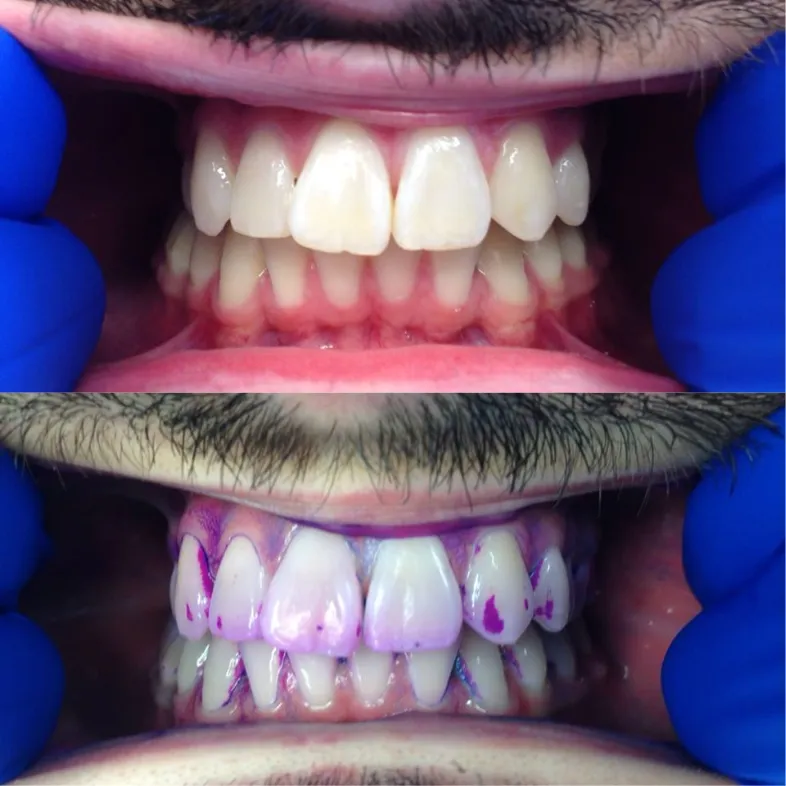
Education works best when it meets patients where they are. The learning ladder climbs from unawareness to habit, and the stages of change run from precontemplation to maintenance, with relapse common. Motivational interviewing uses open questions, affirmations, reflections and summaries to draw out change talk, and teach-back confirms the patient really understood.
- Learning ladder: unawareness, awareness, self-interest, involvement, action, habit.T2
- Stages of change (transtheoretical model): precontemplation, contemplation, preparation, action, maintenance; relapse is common.T2
- Health Belief Model: perceived susceptibility, perceived severity, perceived benefits, perceived barriers, cues to action, self-efficacy.T2
- Maslow's hierarchy: physiologic, safety, belonging, esteem, self-actualization; basic needs come before oral health.T2

02 · 10 facts
Self-care aids
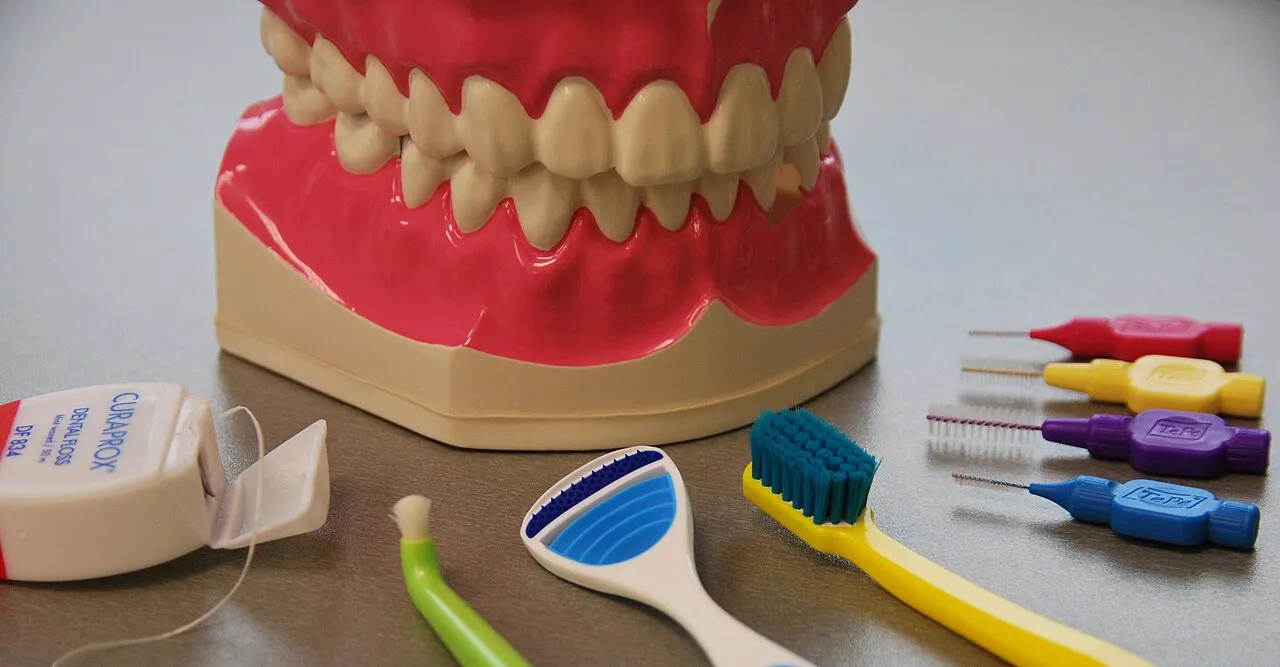
Match the aid to the mouth. The modified Bass method angles bristles 45 degrees into the sulcus and is the usual choice for sulcular plaque, while Charters suits orthodontic appliances and open embrasures. Floss wraps in a C shape, interdental brushes fit open spaces, furcations and implants, and tongue cleaning targets the main source of bad breath.
- Modified Bass: bristles at 45 degrees into the sulcus, short vibratory strokes, then a roll toward the occlusal; most recommended for sulcular plaque.T2
- Stillman: bristles at 45 degrees apically, partly on the attached gingiva, vibrate for gingival stimulation; modified Stillman adds the roll.T2
- Charters: bristles at 45 degrees toward the occlusal; for open embrasures, orthodontic appliances and after periodontal surgery.T2
- Fones (circular) method is easiest for young children; the rolling-stroke method is for patients with healthy gingiva.T2
03 · 6 facts
Tobacco cessation
Every tobacco user should get at least a brief intervention: Ask, Advise and Refer to a quitline such as 1-800-QUIT-NOW, or the full 5 A's. First-line medications are nicotine replacement, varenicline and bupropion SR. Smokers show more stain, calculus and periodontitis but less bleeding on probing, and vaping is not an FDA-approved quit aid.
- Brief intervention: Ask, Advise, Refer (to a quitline such as 1-800-QUIT-NOW), or the 5 A's: Ask, Advise, Assess, Assist, Arrange follow-up.T2
- First-line medications: nicotine replacement (patch, gum, lozenge, inhaler, nasal spray), varenicline and bupropion SR.T2
- Nicotine gum uses "chew and park" against the cheek for buccal absorption; acidic drinks reduce absorption.T2
- Withdrawal symptoms peak within the first few days and ease over 2-4 weeks.T2
04 · 5 facts
Children and adolescents
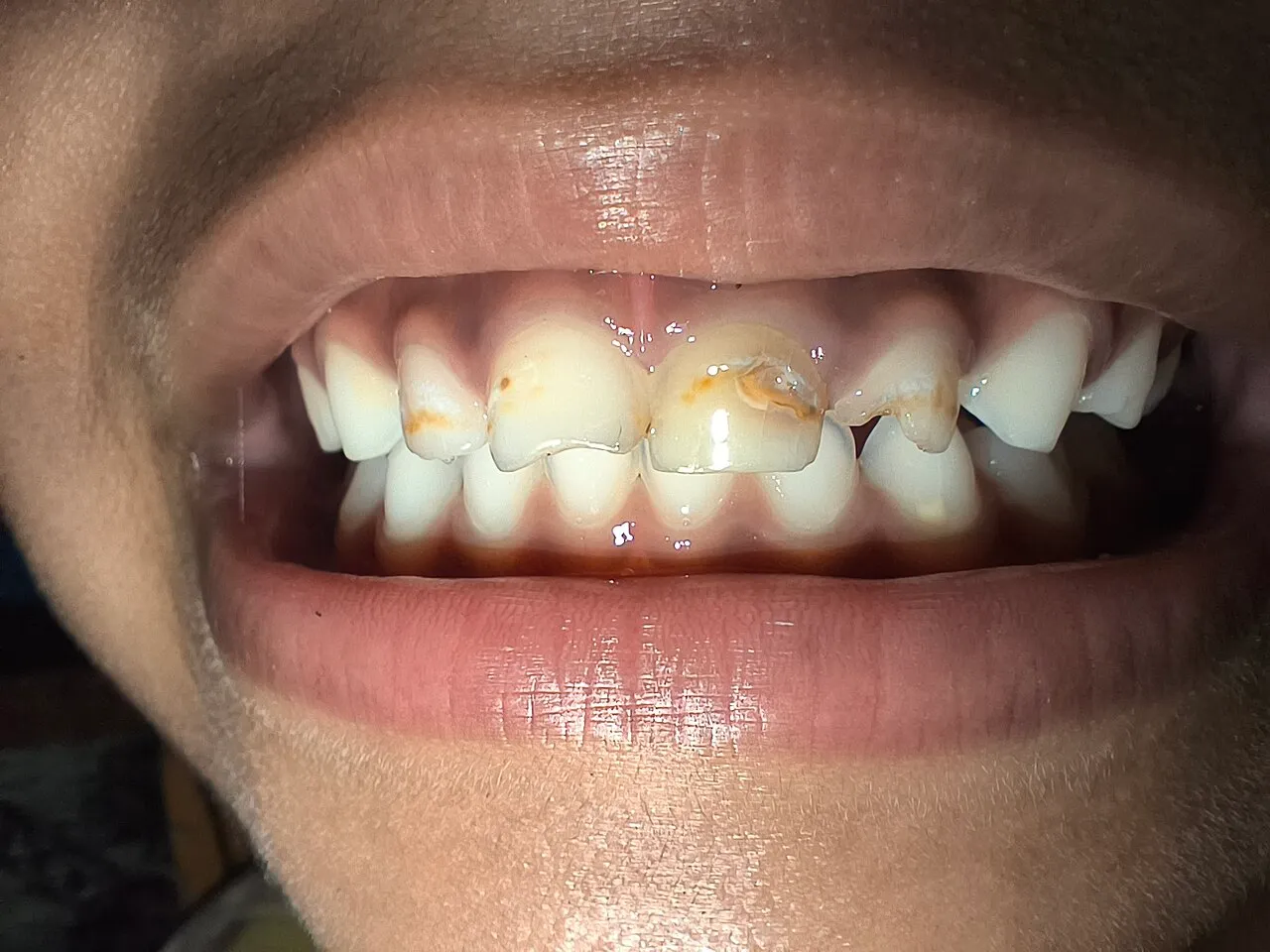
The first dental visit belongs by the first birthday or within 6 months of the first tooth. Infants and toddlers are examined knee to knee, and tell-show-do, praise and distraction guide behavior. Hygienists are mandated reporters: about half of abuse injuries involve the head, face or neck, and known caries a caregiver ignores can signal neglect.
- First dental visit is recommended by the first birthday or within 6 months of the first tooth.S37T2
- Tell-show-do, positive reinforcement, distraction and voice control are basic behavior guidance methods.T2
- Knee-to-knee exams are used for infants and toddlers.T2
- Hygienists are mandated reporters of suspected child abuse; about half of abuse injuries involve the head, face or neck.T2

05 · 5 facts
Older adults
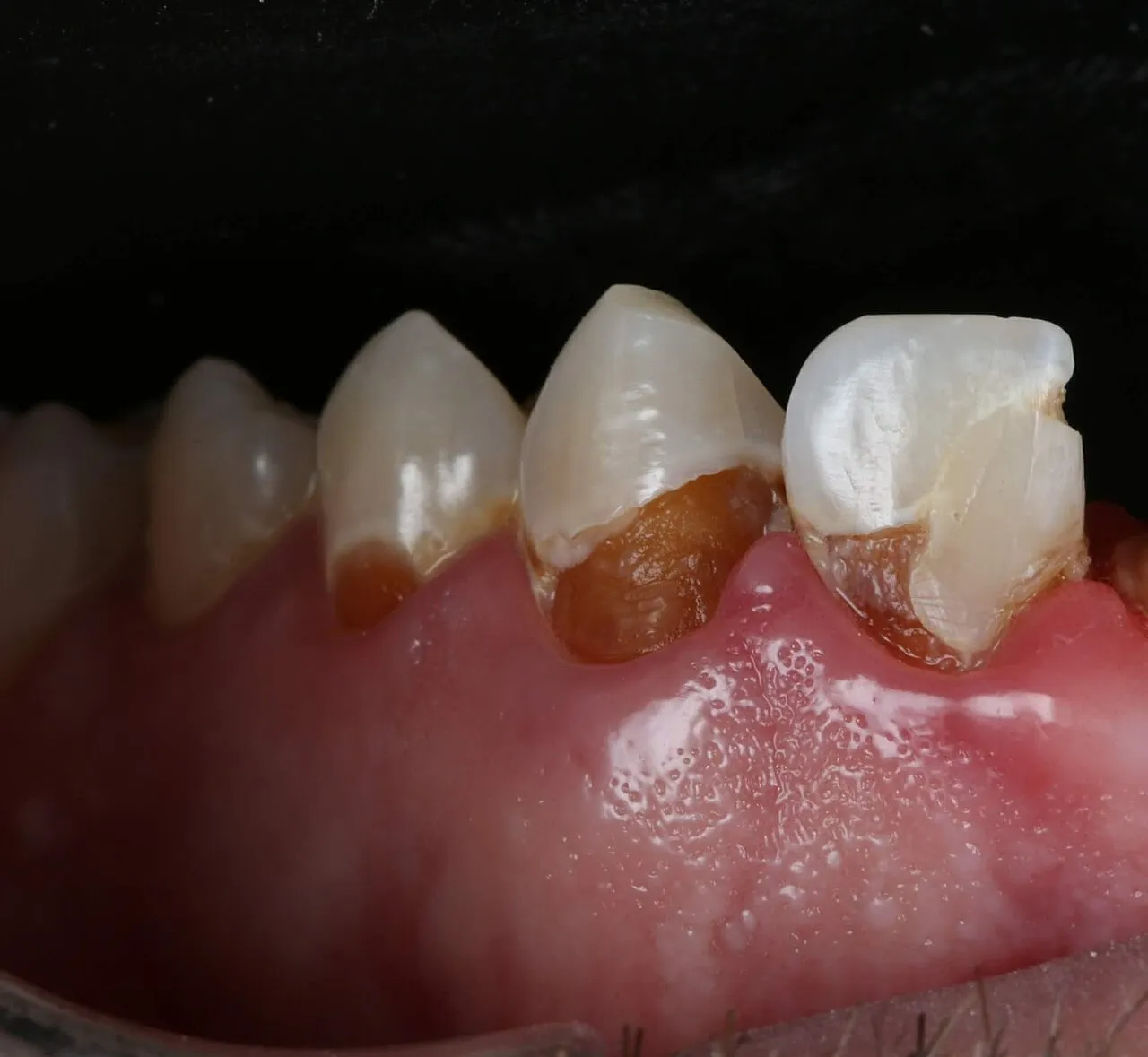
Older adults bring more root caries, recession, medication-driven dry mouth and oral cancer risk, and many take several drugs at once. Review those drugs for dry mouth, dizziness on standing and bleeding. Patients with dementia do best with short, consistent morning visits and caregiver help, and stroke survivors need a semi-upright chair and frequent suction.
- Older adults have more root caries, recession, xerostomia (mainly from medications), attrition and oral cancer risk.T2
- Polypharmacy is common; check for drugs that cause xerostomia, orthostatic hypotension or bleeding.T2
- Dementia patients do best with short, morning, consistent appointments and caregiver involvement.T2
- Parkinson disease causes tremor and rigidity; use short appointments, power brushes, and caution with the chair.T2

06 · 11 facts
Medically compromised patients
Medical conditions change timing and technique. Elective care in pregnancy fits best in the second trimester. Head and neck radiation patients need daily high-strength fluoride for life, dialysis patients are seen the day after dialysis, and a spinal injury at or above T6 risks autonomic dysreflexia. Prosthetic joints generally need no antibiotic premedication.
- Pregnancy: second trimester is best for elective care; avoid tetracyclines; radiographs as needed; no nitrous in the first trimester.T2S62
- Cancer chemotherapy: check counts; defer invasive care if absolute neutrophil count is under about 1,000-1,500/microliter or platelets under about 50,000. (verify thresholds)T2
- Head and neck radiation over about 60 Gy raises osteoradionecrosis risk; extractions and invasive care in the field need special planning.T2
- Radiation patients need daily high-fluoride (custom trays or 5,000 ppm paste) for life.T2

07 · 7 facts
Patients with disabilities
Adapt the visit to the person. Down syndrome can bring neck instability and early severe periodontitis, cerebral palsy strong reflexes, and autism a need for desensitization visits and steady routines. Face patients with hearing loss, describe each step to patients with low vision, and lock the wheels and swing the armrests away before a wheelchair transfer.
- Down syndrome: possible atlantoaxial (neck) instability, heart defects and early severe periodontitis; support the head and neck.T2
- Cerebral palsy: support the head, avoid startle triggers, use a mouth prop; the reflexes can be strong.T2
- Autism spectrum disorder: desensitization visits, consistent routines, low stimulation, clear simple language.T2
- Visual impairment: describe what you are doing, guide by offering your arm, keep the area clear.T2
08 · 4 facts
ASA classification
The ASA physical status scale runs from I (healthy) to VI (brain-dead organ donor). Well-controlled diabetes, smoking or pregnancy is ASA II; poorly controlled disease or COPD is III; a heart attack or stroke within 3 months is IV. In the dental office, I-II get routine care, III needs changes or a medical consult, and IV gets emergency care only.
- ASA I: normal healthy. ASA II: mild systemic disease. ASA III: severe systemic disease. ASA IV: severe disease that is a constant threat to life. ASA V: moribund. ASA VI: brain-dead donor.S29
- ASA II examples: well-controlled diabetes or hypertension, current smoker, pregnancy, mild lung disease, BMI 30-40.S29
- ASA III examples: poorly controlled diabetes or hypertension, COPD, morbid obesity (BMI 40 or more), MI or stroke more than 3 months ago.S29
- ASA IV examples: MI, stroke or stent within 3 months, ongoing cardiac ischemia, severe valve dysfunction.S29
Watch