Atlas · Plate XIV · Clinical Services
Infection Control
Infection control is the set of habits and systems that stop disease from passing between patients, staff and the community. In dentistry that means standard precautions for everyone, hand hygiene, the right protective equipment, safe sharps handling, instrument reprocessing matched to the Spaulding category, verified sterilization, clean surfaces and safe water.
Two bodies shape the rules: OSHA's Bloodborne Pathogens Standard is legally enforceable, while CDC guidelines set the recommended standard of care. The NBDHE tests both and expects you to know the numbers, such as sterilizer times and temperatures, how often to spore-test, the 500 CFU/mL waterline limit and the steps after a needlestick.
Blueprint Provision of Clinical Dental Hygiene Services · Planning and managing care: infection control · 71 facts

In this plate, we cover
- 01 Standard precautions 5 facts
- 02 Hand hygiene 6 facts
- 03 Personal protective equipment 7 facts
- 04 Sharps and exposure management 7 facts
- 05 OSHA regulations 7 facts
- 06 Spaulding classification 5 facts
- 07 Sterilization 10 facts
- 08 Sterilization monitoring 7 facts
- 09 Surface disinfection 8 facts
- 10 Waterlines and waste 9 facts
01 · 5 facts
Standard precautions
Standard precautions treat every patient as potentially infectious, whatever their known status. They cover blood, all body fluids except sweat, broken skin and mucous membranes, and in dentistry saliva counts too. Transmission-based precautions are added for known or suspected infections, and every office should have a written infection prevention program with a trained coordinator.
- Standard precautions apply to every patient, regardless of known infection status.S7S8
- They cover blood, all body fluids and secretions (except sweat), nonintact skin and mucous membranes; saliva is treated as potentially infectious in dentistry.S7
- Transmission-based precautions (contact, droplet, airborne) are added for known or suspected infections.S8
- The 2016 CDC summary covers education and training, HCP safety, program evaluation, hand hygiene, PPE, respiratory hygiene, sharps safety, safe injection practices, sterilization and disinfection, environmental infection control, and dental unit water quality.S8

02 · 6 facts
Hand hygiene
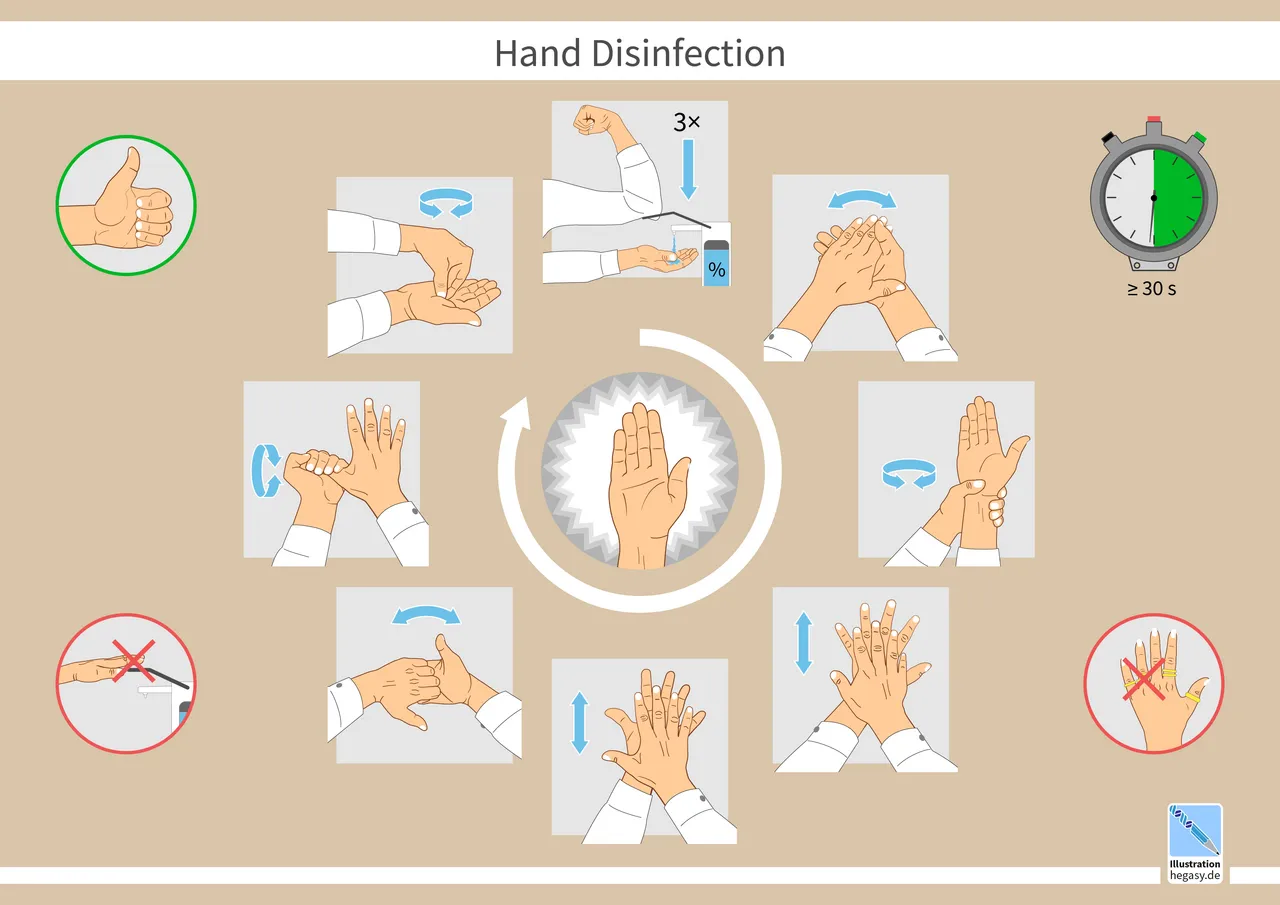
Alcohol-based hand rub is the preferred method unless hands are visibly soiled, when soap and water with at least 15 seconds of rubbing is needed. Clean hands before and after every patient, before gloving and after removing gloves. Keep nails short, skip artificial nails, and avoid petroleum-based lotions because they weaken latex gloves.
- Routine handwashing with soap and water: at least 15 seconds of rubbing.S7
- Alcohol-based hand rubs (about 60-95% alcohol) are preferred unless hands are visibly soiled.S7S8
- Surgical hand antisepsis: antimicrobial soap scrub for about 2-6 minutes, or an alcohol surgical rub per the manufacturer.S7
- Keep nails short; artificial nails and extenders are not worn by clinicians who treat patients.S7

03 · 7 facts
Personal protective equipment
Gloves, masks, eyewear and gowns stand between you and spatter. Change gloves between patients and never wash them for reuse, change masks between patients or when wet, and wear eyewear with solid side shields while giving the patient a pair too. Use utility gloves for cleanup and a fit-tested N95 for airborne diseases such as TB.
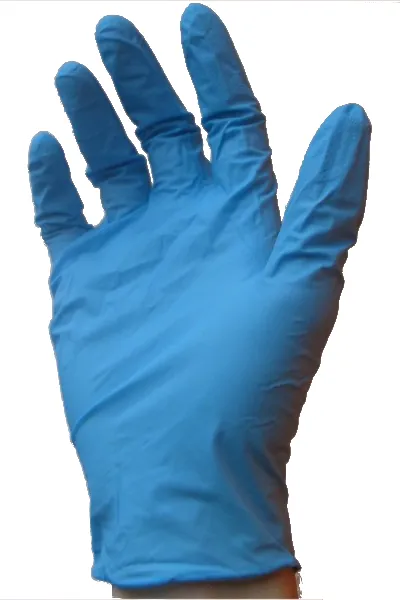
- Change gloves between patients and if torn; never wash and reuse exam gloves.S7
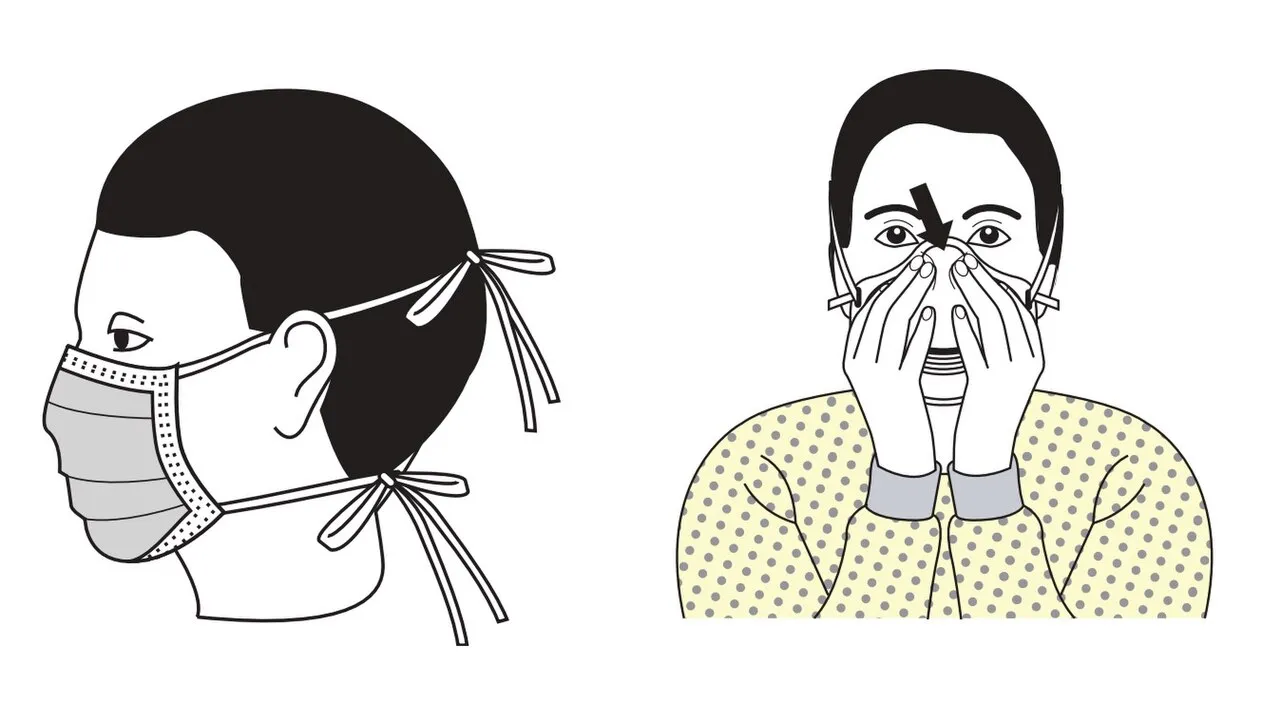
- Change masks between patients or when wet; surgical masks should be at least ASTM level appropriate to the aerosol.S7
- Use protective eyewear with solid side shields or a face shield; give patients eyewear too.S7
- Remove gowns before leaving the work area; change them when visibly soiled.S7
.jpg)
04 · 7 facts
Sharps and exposure management
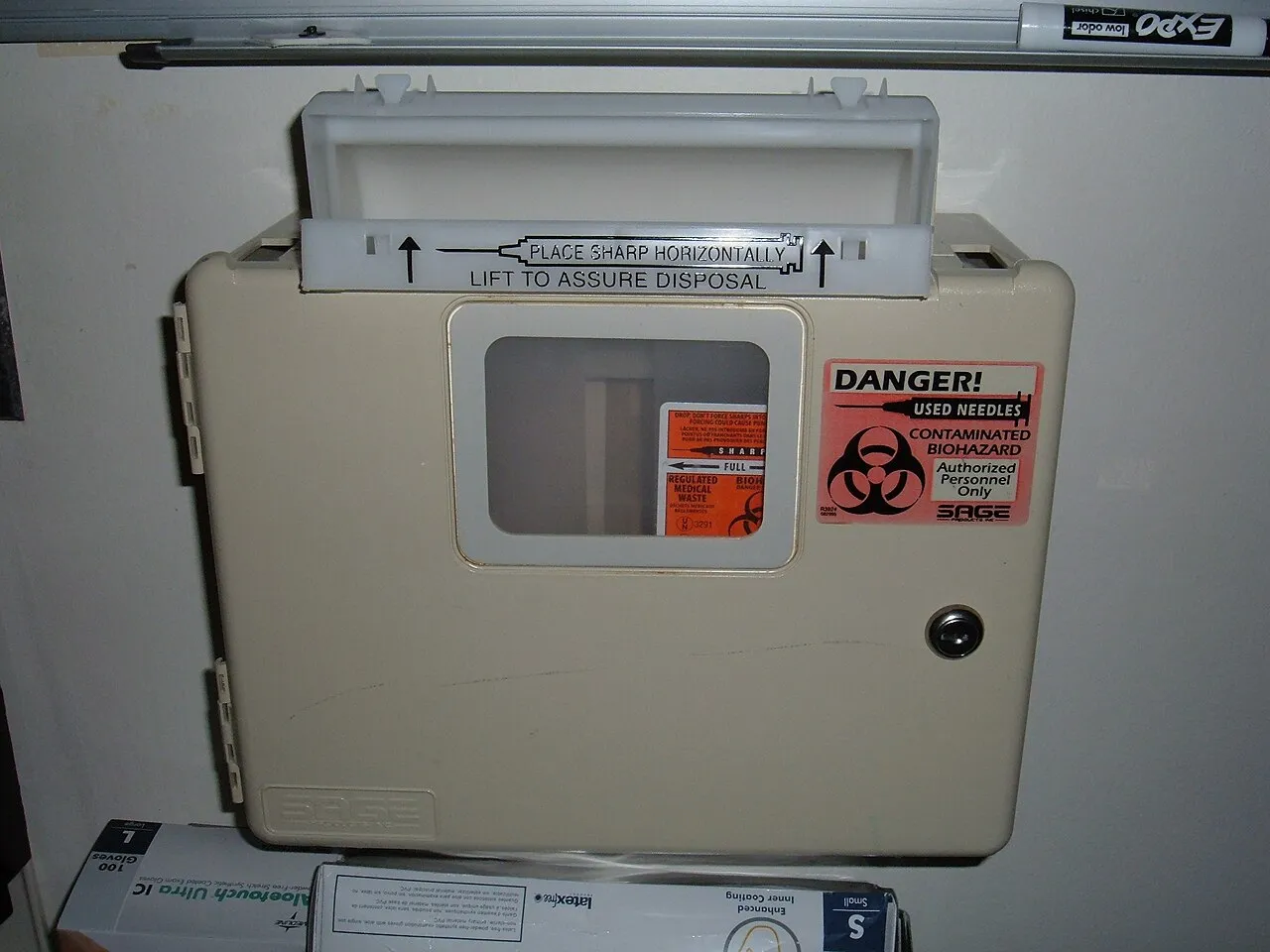
Most exposures are preventable: never recap with two hands, use a one-handed scoop or a recapping device, and drop sharps into an upright, puncture-resistant container near the point of use. After a stick, wash with soap and water, report it at once and get evaluated. HIV PEP should start within hours, and there is no PEP for hepatitis C.
- Use engineering controls (safety devices) and work practices: never recap needles with two hands; use a one-handed scoop or a recapping device.S24S7
- Sharps containers must be closable, puncture-resistant, leakproof, labeled or color-coded and kept upright near the point of use.S24
- After an exposure: wash with soap and water (flush mucous membranes or eyes with water), report immediately, get medical evaluation.S7
- HIV PEP should start as soon as possible, ideally within hours; it is generally not started after 72 hours and lasts 28 days.S7

05 · 7 facts
OSHA regulations
OSHA protects workers. Its Bloodborne Pathogens Standard requires a written exposure control plan reviewed every year, free annual training, and hepatitis B vaccine offered free within 10 working days of assignment. Exposure records are kept for the length of employment plus 30 years. By contrast, the CDC recommends, the EPA registers disinfectants and the FDA clears sterilizers.
- The OSHA Bloodborne Pathogens Standard (29 CFR 1910.1030) took effect in 1991 and was revised in 2001 by the Needlestick Safety and Prevention Act.S24
- Employers must have a written exposure control plan, reviewed at least annually.S24
- Training is required at hire and at least once a year, during work hours, free of charge.S24
- Hepatitis B vaccine must be offered free within 10 working days of assignment; a worker who declines must sign a declination form and can change their mind later.S24
06 · 5 facts
Spaulding classification
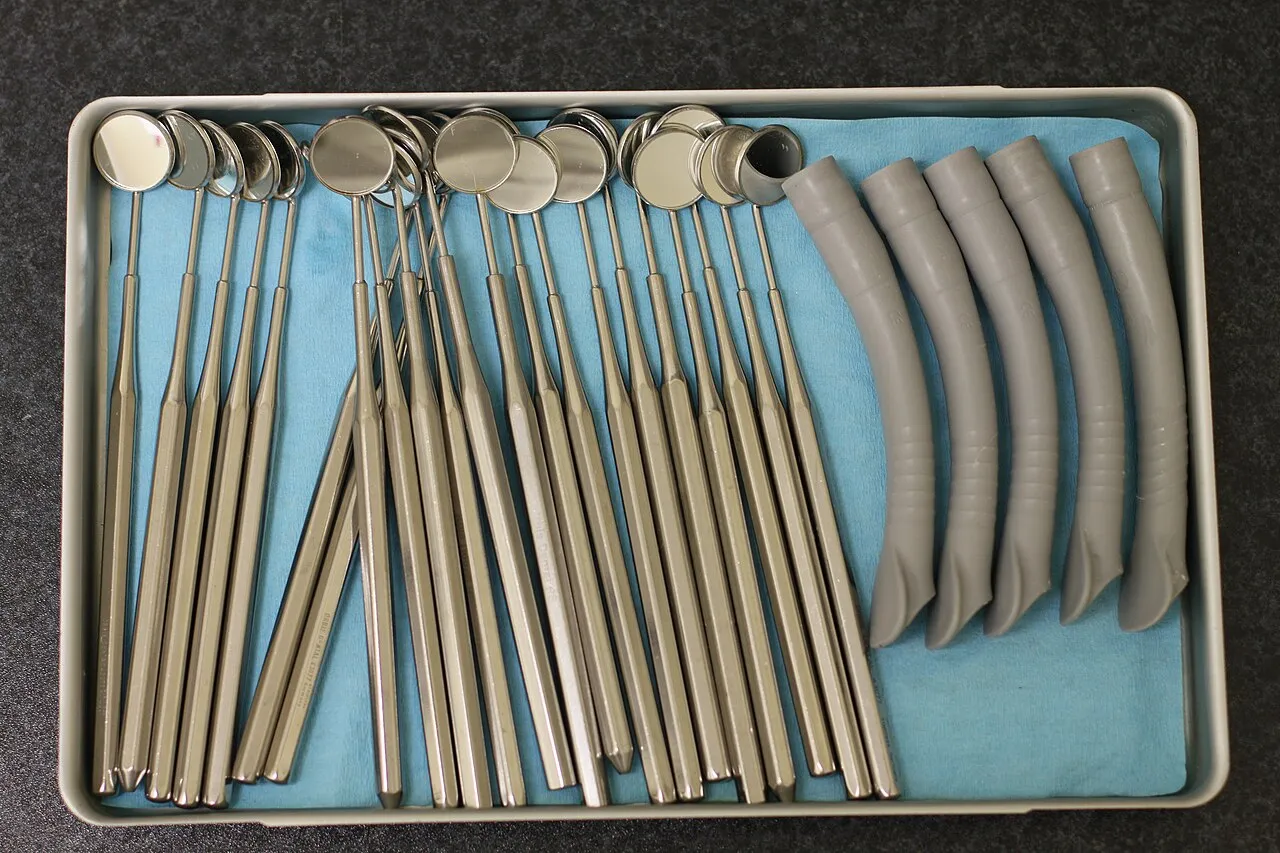
The Spaulding system sorts items by the tissue they touch. Critical items such as scalers, curettes and probes penetrate tissue and must be sterilized. Semicritical items such as mirrors and handpieces touch mucosa and are heat-sterilized whenever possible. Noncritical items such as a blood pressure cuff touch intact skin and get a low- or intermediate-level disinfectant.
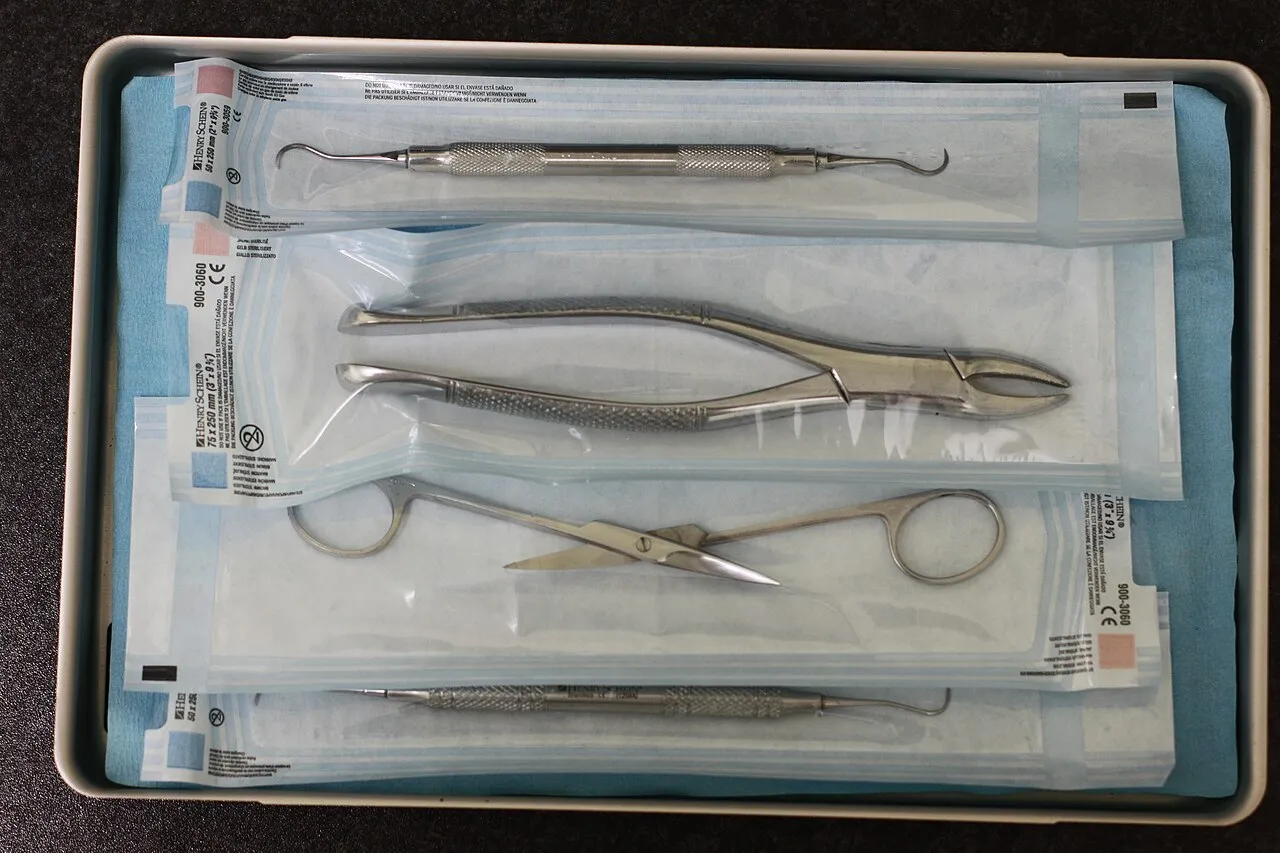
- Critical items (penetrate soft tissue or bone): sterilize (scalers, curettes, probes, surgical instruments, burs).S7
- Semicritical items (contact mucosa, do not penetrate): sterilize or, if heat-sensitive, high-level disinfect (mirrors, amalgam condensers, handpieces, radiograph holders).S7
- Handpieces and their attachments are heat-sterilized between patients.S7S8
- Noncritical items (contact intact skin): clean and disinfect with low- or intermediate-level disinfectant (BP cuff, radiograph tube head, pulse oximeter).S7

07 · 10 facts
Sterilization
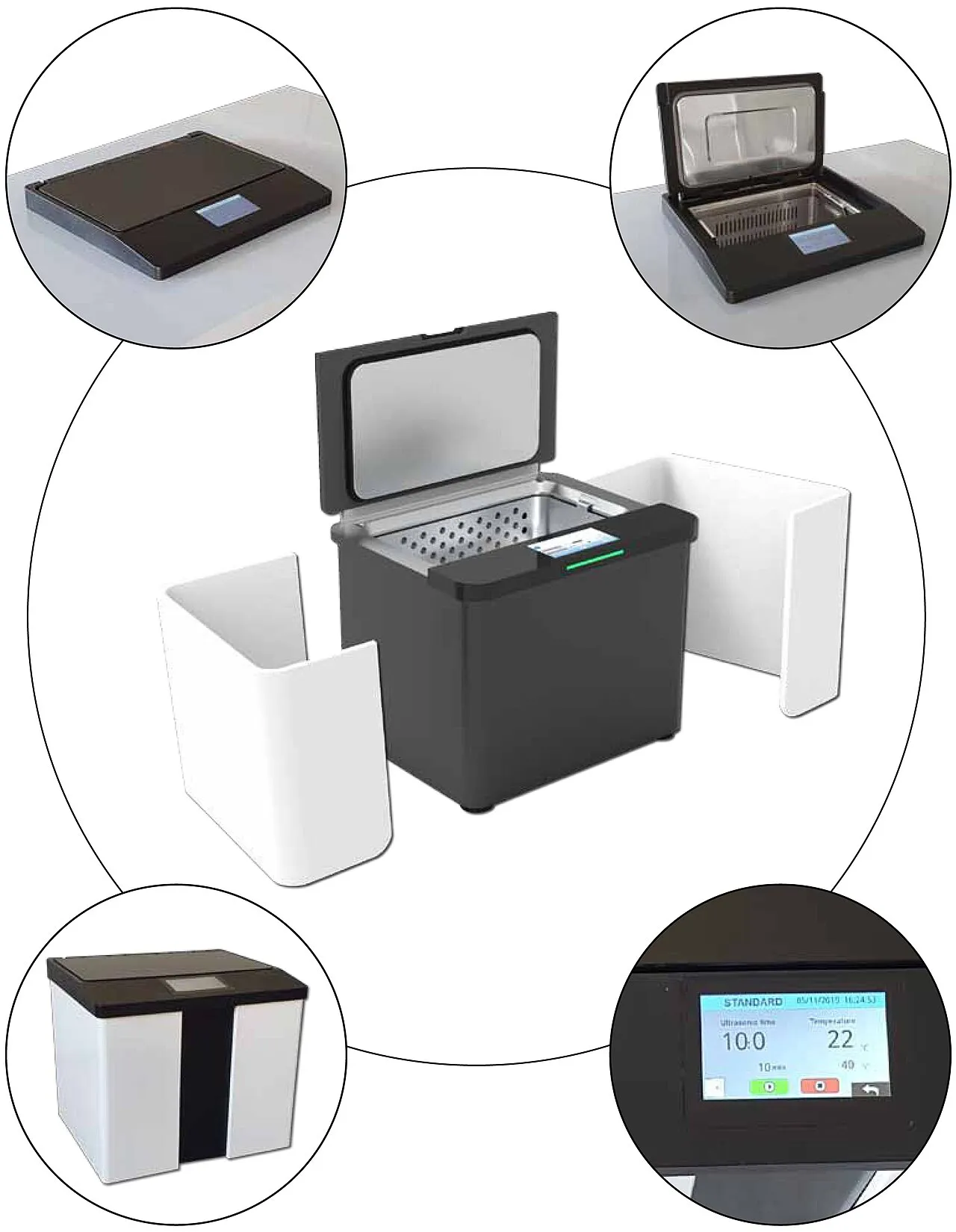
Instruments are cleaned first, ideally in an ultrasonic cleaner or washer-disinfector, then packaged and sterilized. Know the cycles: gravity steam at 121 C for 30 minutes, prevacuum steam at 132 C for 4 minutes, chemical vapor at about 132 C, and static dry heat at 160 C for 2 hours. Packs stay sterile unless they get wet or torn.
- Steam autoclave (gravity displacement): 121 C (250 F) for 30 minutes for wrapped items.S9
- Steam autoclave (prevacuum): 132 C (270 F) for 4 minutes for wrapped items.S9
- Unsaturated chemical vapor: about 132 C (270 F) for 20-40 minutes; needs good ventilation; less corrosion of carbon steel.S7S65
- Dry heat static air: 160 C (320 F) for 2 hours or 170 C (340 F) for 1 hour.S65

08 · 7 facts
Sterilization monitoring
Sterilization is checked three ways: mechanical readings every cycle, chemical indicators on and inside every pack, and biological spore tests at least weekly and with every implant load. Steam and chemical vapor use Geobacillus stearothermophilus; dry heat uses Bacillus atrophaeus. A positive spore test takes the unit out of service for a retest, and a second positive means recall and repair.
- Monitor mechanically (time, temperature, pressure) every cycle; use chemical indicators on and inside every package.S10S7
- Spore testing (biological indicators) at least weekly and with every load containing an implantable device.S10S7
- Steam and unsaturated chemical vapor: Geobacillus stearothermophilus spores. Dry heat: Bacillus atrophaeus spores.S10
- Prevacuum steam sterilizers also need a daily air-removal (Bowie-Dick type) test before the first load.S9
09 · 8 facts
Surface disinfection
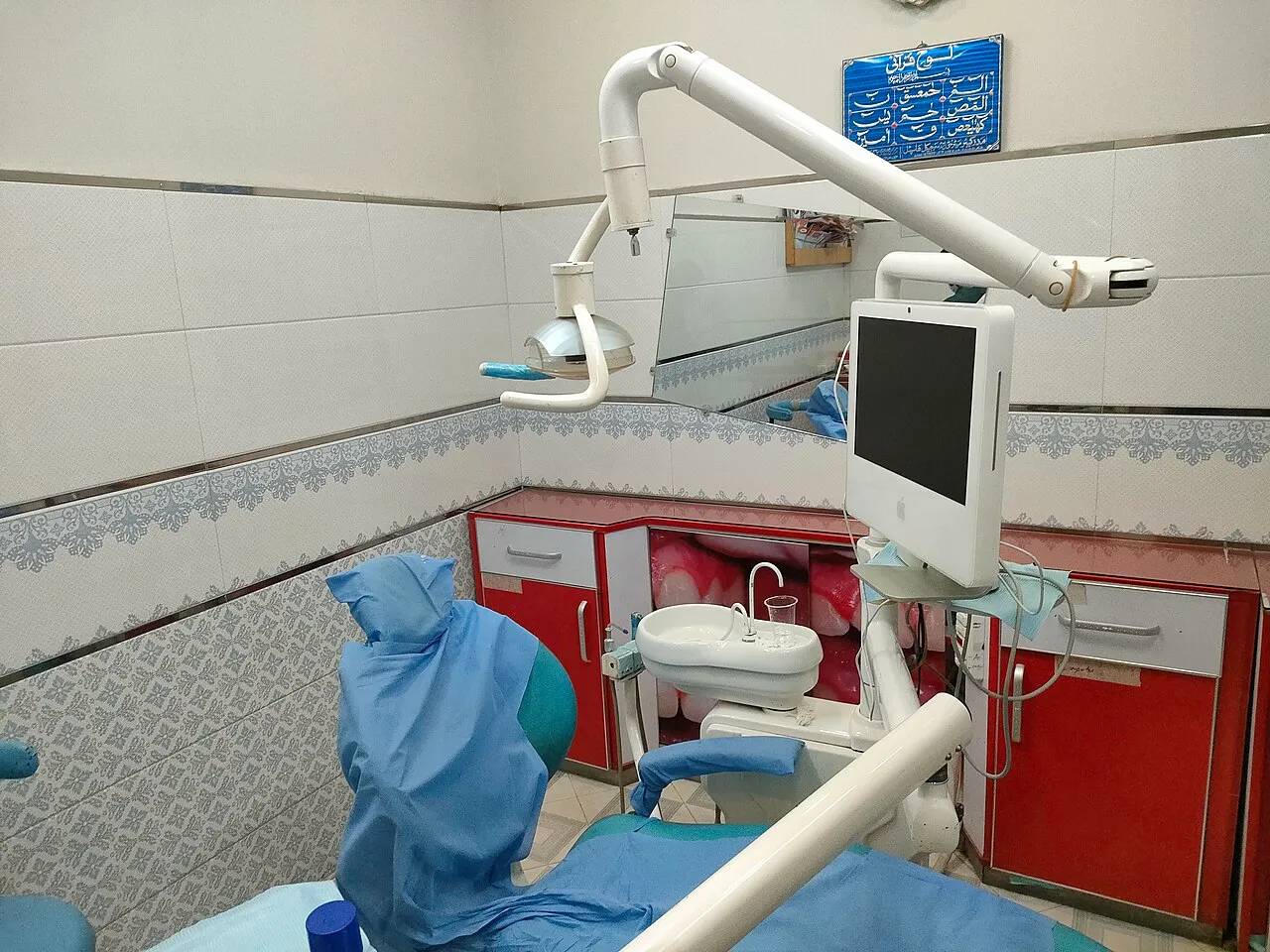
Match the disinfectant to the job. Intermediate-level, tuberculocidal products go on clinical surfaces soiled with blood, and low-level products handle housekeeping surfaces. Always clean first, then disinfect, and respect the label contact time. Alcohol is a poor surface disinfectant because it evaporates fast, and barriers suit hard-to-clean spots like light handles and switches.
- Order of resistance (most to least): prions, bacterial spores, mycobacteria, nonenveloped viruses, fungi, vegetative bacteria, enveloped viruses.S65
- High-level disinfectants kill everything except large numbers of spores.S65
- Intermediate-level disinfectants kill M. tuberculosis (tuberculocidal) and are used on clinical surfaces visibly contaminated with blood.S7
- Low-level disinfectants kill vegetative bacteria, some fungi and enveloped viruses (e.g., HIV, HBV); used on housekeeping surfaces.S7

10 · 9 facts
Waterlines and waste
Biofilm grows inside narrow dental unit tubing, so water for nonsurgical care must meet the drinking-water limit of 500 CFU/mL or less. Flush lines for 20-30 seconds after each patient and use sterile water for surgery. Sharps and blood-soaked items are regulated medical waste, and most offices that place or remove amalgam need amalgam separators.
- Dental water for nonsurgical care should meet the EPA drinking water standard of 500 CFU/mL or less of heterotrophic bacteria.S7S64
- Biofilm forms inside narrow waterline tubing; untreated lines can exceed 200,000 CFU/mL.S64
- Flush water and air from handpieces and air-water syringes for at least 20-30 seconds after each patient.S7
- Use sterile water or saline delivered by a sterile device for surgical procedures (e.g., bone cutting).S7

Watch