Start here · Liquids · 53 entries
Liquids and chemicals
Dental offices use a lot of chemicals: sprays and wipes for counters, solutions for cleaning instruments, products that keep the water lines clean, hand rubs, and everything that goes in the patient's mouth. Some are mild, and some can burn skin, irritate lungs or damage equipment if they are mixed or used the wrong way.
Two habits keep you safe. First, read the label and the safety data sheet (SDS) before you use something new. Second, follow the label exactly, especially the contact time (how long a surface must stay wet). We never list a concentration or time here unless a government source or the product label states it. Your office's products and protocol come first.
Surface disinfectants
Sprays and wipes for counters, chairs and equipment between patients.
- EPA-registered hospital disinfectant The spray or wipe used to disinfect counters and equipment between patients.
- Tuberculocidal (TB claim) disinfectant A surface disinfectant tested to kill tuberculosis germs; the dental workhorse.
- Quaternary ammonium with alcohol A common wipe and spray family that pairs a quat with alcohol.
- Phenolic disinfectant An older family of strong surface disinfectants based on phenol compounds.
- Accelerated (improved) hydrogen peroxide A hydrogen peroxide disinfectant with added ingredients that make it work faster.
- Sodium hypochlorite (bleach) Chlorine bleach: cheap and strong, but corrosive and irritating.
- Iodophor An iodine-based disinfectant, less common now in dental offices.
- Rubbing alcohol (plain alcohol) Kills many germs on contact, but is not a good surface disinfectant.
- Contact time (wet time) How long a disinfectant must stay wet on a surface to work.
- Clean, then disinfect Always remove dirt first; then apply disinfectant for the full contact time.
Instrument cleaning solutions
Products that loosen and remove debris before sterilization.
- Ultrasonic cleaning solution A detergent made for the ultrasonic cleaner tank.
- Enzymatic cleaner A cleaner with enzymes that break down blood and other proteins.
- Holding (presoak) solution A soak that keeps debris from drying on instruments until they can be cleaned.
- Handpiece cleaner and lubricant Sprays that clean and oil handpieces before they are sterilized.
Sterilants and high-level disinfectants
Strong chemicals for items that cannot go in a heat sterilizer, plus what goes inside the sterilizer itself.
- Glutaraldehyde A strong liquid sterilant and high-level disinfectant for heat-sensitive items.
- OPA (ortho-phthalaldehyde) A high-level disinfectant that works faster than glutaraldehyde.
- Hydrogen peroxide and peracetic acid sterilants Other liquid chemicals cleared for sterilizing or high-level disinfecting.
- Chemical vapor sterilizer solution The alcohol and formaldehyde solution used in a chemiclave.
- Distilled water for the autoclave The only water most autoclaves should get in their reservoir.
Waterline and suction line products
Products that keep dental unit water and suction lines clean and safe.
- Waterline treatment (continuous) Products added to the unit water every day to control biofilm.
- Waterline shock treatment A stronger chemical run through waterlines periodically to knock down biofilm.
- Waterline test kit A kit that counts the bacteria in water from the dental unit.
- Evacuation (suction) line cleaner A cleaner run through the HVE and saliva ejector lines to keep them clear.
Hand hygiene
Hand rubs, soaps and lotions, and when to use each.
-
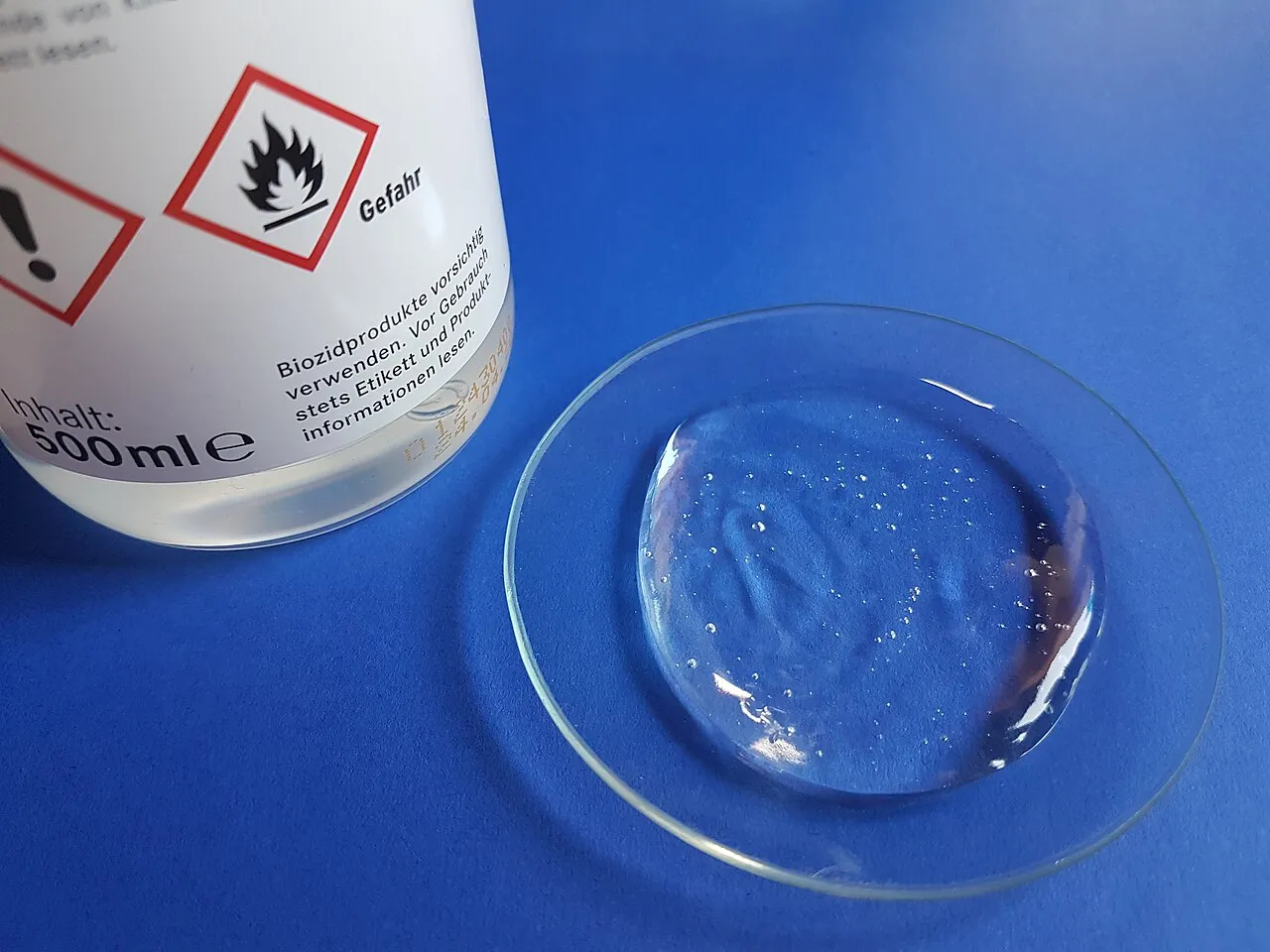 Alcohol-based hand rub
The preferred way to clean hands when they are not visibly dirty.
Alcohol-based hand rub
The preferred way to clean hands when they are not visibly dirty.
-
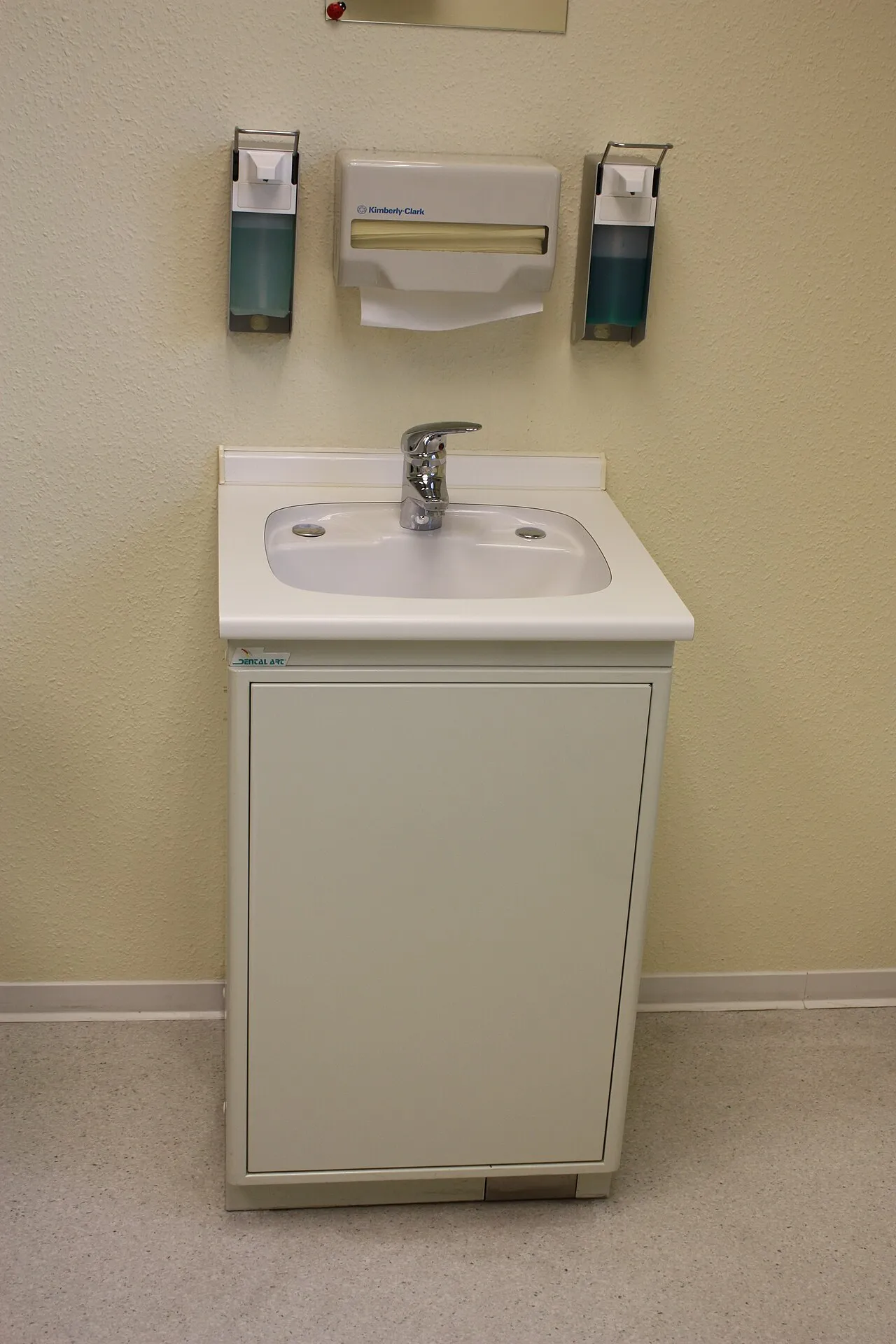 Plain or antimicrobial soap and water
Soap and running water, required when hands are visibly dirty.
Plain or antimicrobial soap and water
Soap and running water, required when hands are visibly dirty.
- Surgical hand antisepsis A more thorough hand prep before oral surgery.
- Hand lotion Lotion helps prevent cracked skin, but some types weaken gloves.
Patient-side products
Rinses, fluorides, pastes and materials used in the patient's mouth.
-
 Chlorhexidine gluconate 0.12% rinse
A prescription mouth rinse that fights gingivitis.
Chlorhexidine gluconate 0.12% rinse
A prescription mouth rinse that fights gingivitis.
- Preprocedural mouth rinse A rinse before treatment to lower germs in the spray.
-
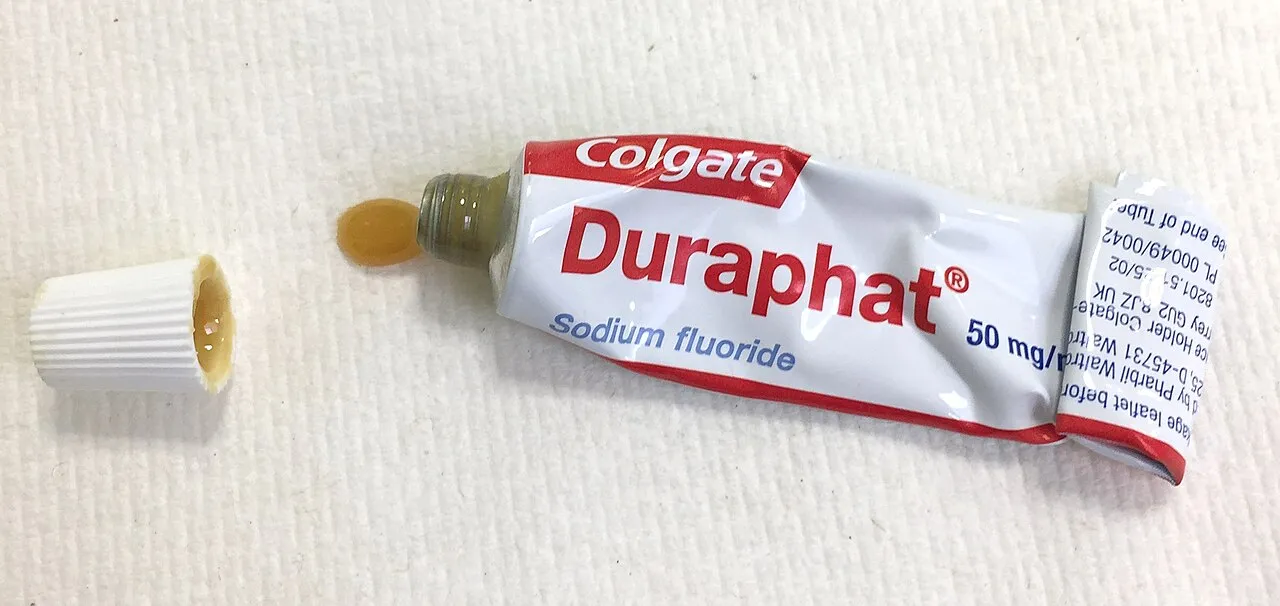 Fluoride varnish
A sticky fluoride coating painted on teeth to prevent decay.
Fluoride varnish
A sticky fluoride coating painted on teeth to prevent decay.
- Fluoride gel or foam (APF) Fluoride gel or foam placed in trays over the teeth for a few minutes.
- Prophy paste A gritty paste used in a rubber cup to polish off stain.
-
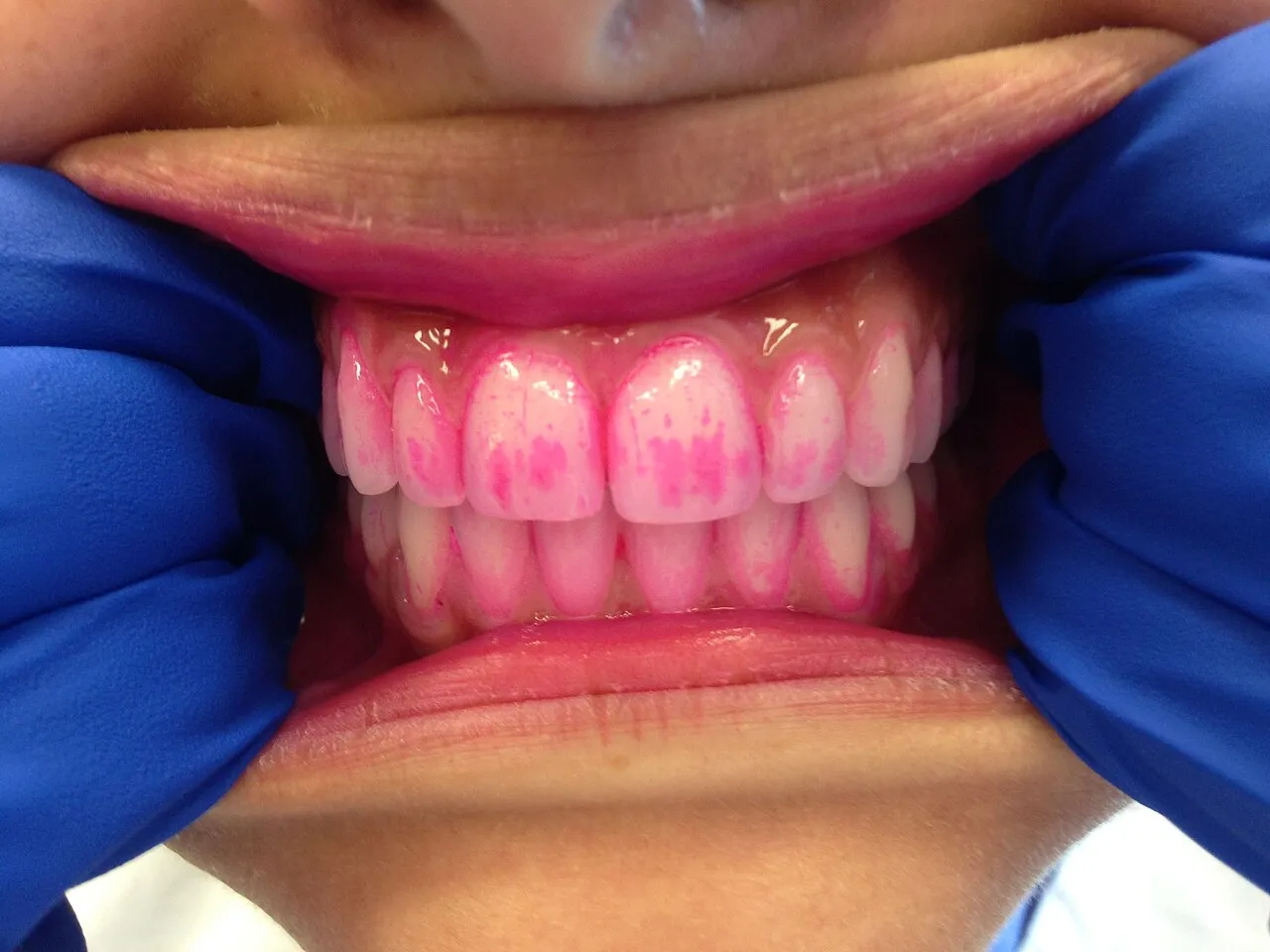 Disclosing solution or tablets
A dye that stains plaque so patients can see where they missed.
Disclosing solution or tablets
A dye that stains plaque so patients can see where they missed.
-
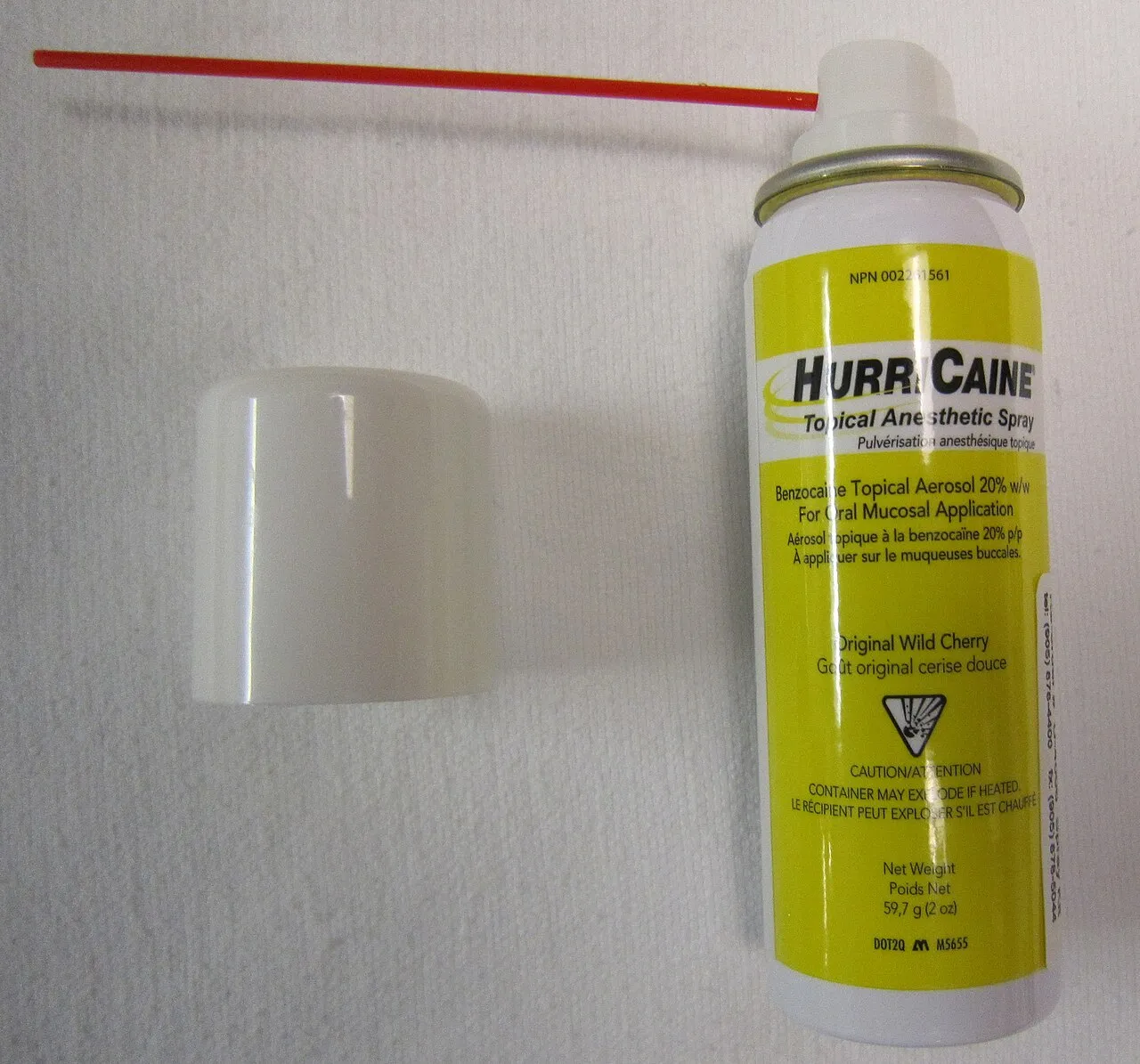 Topical anesthetic
A gel, liquid or spray that numbs the surface of the gums.
Topical anesthetic
A gel, liquid or spray that numbs the surface of the gums.
- Etchant (phosphoric acid gel) An acid gel that roughens enamel so sealants and composites can bond.
-
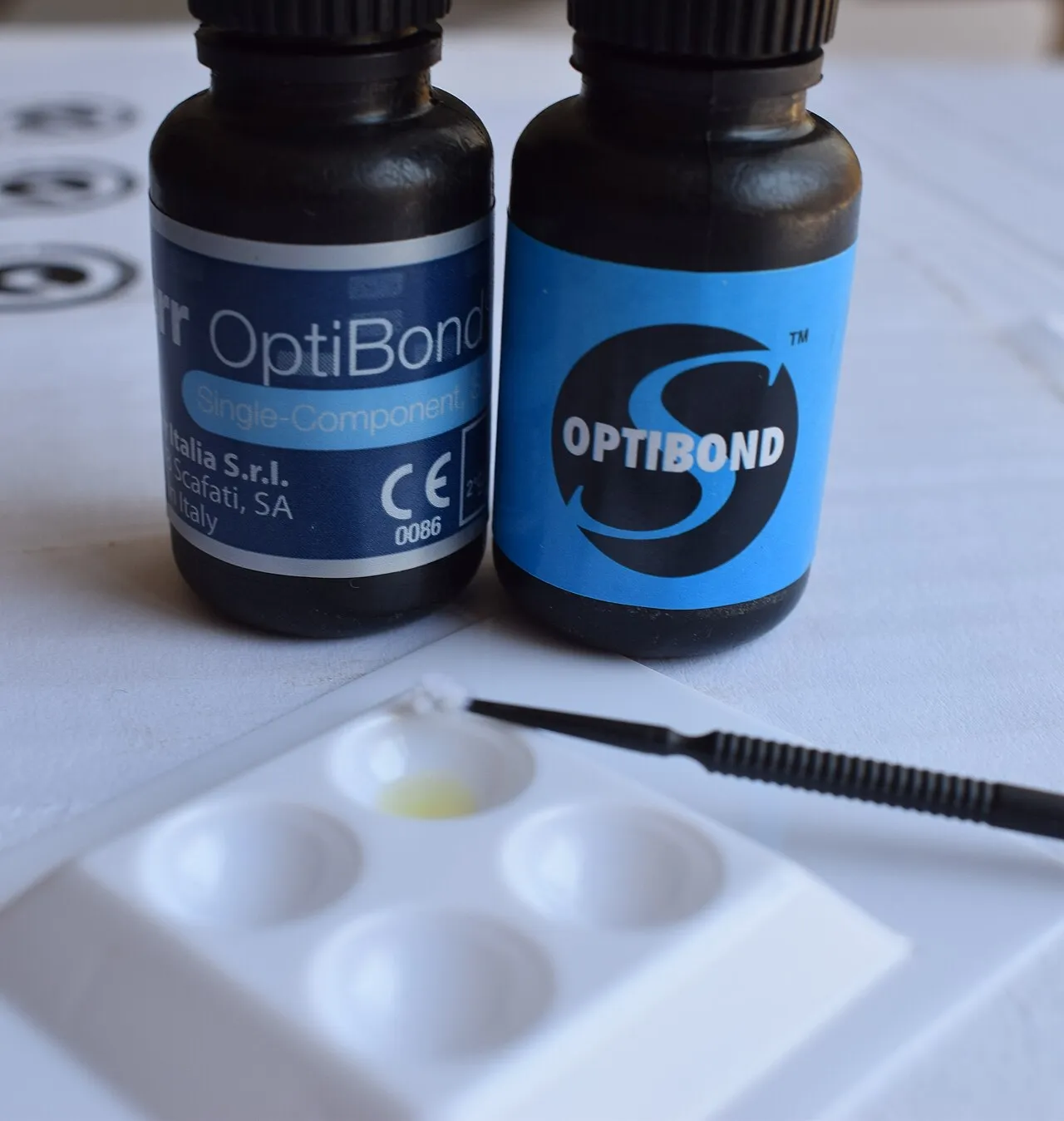 Bonding agent (dental adhesive)
A thin liquid resin that glues composite fillings to the tooth.
Bonding agent (dental adhesive)
A thin liquid resin that glues composite fillings to the tooth.
- Pit and fissure sealant A flowable resin coating that seals the grooves of back teeth.
- Desensitizer Products that calm tooth sensitivity by blocking exposed dentin.
- Temporary cement A weaker cement that holds a temporary crown until the final one is ready.
- Whitening gel Peroxide gels that lighten the color of natural teeth.
Lab materials
Impression and model materials and how to handle them safely.
-
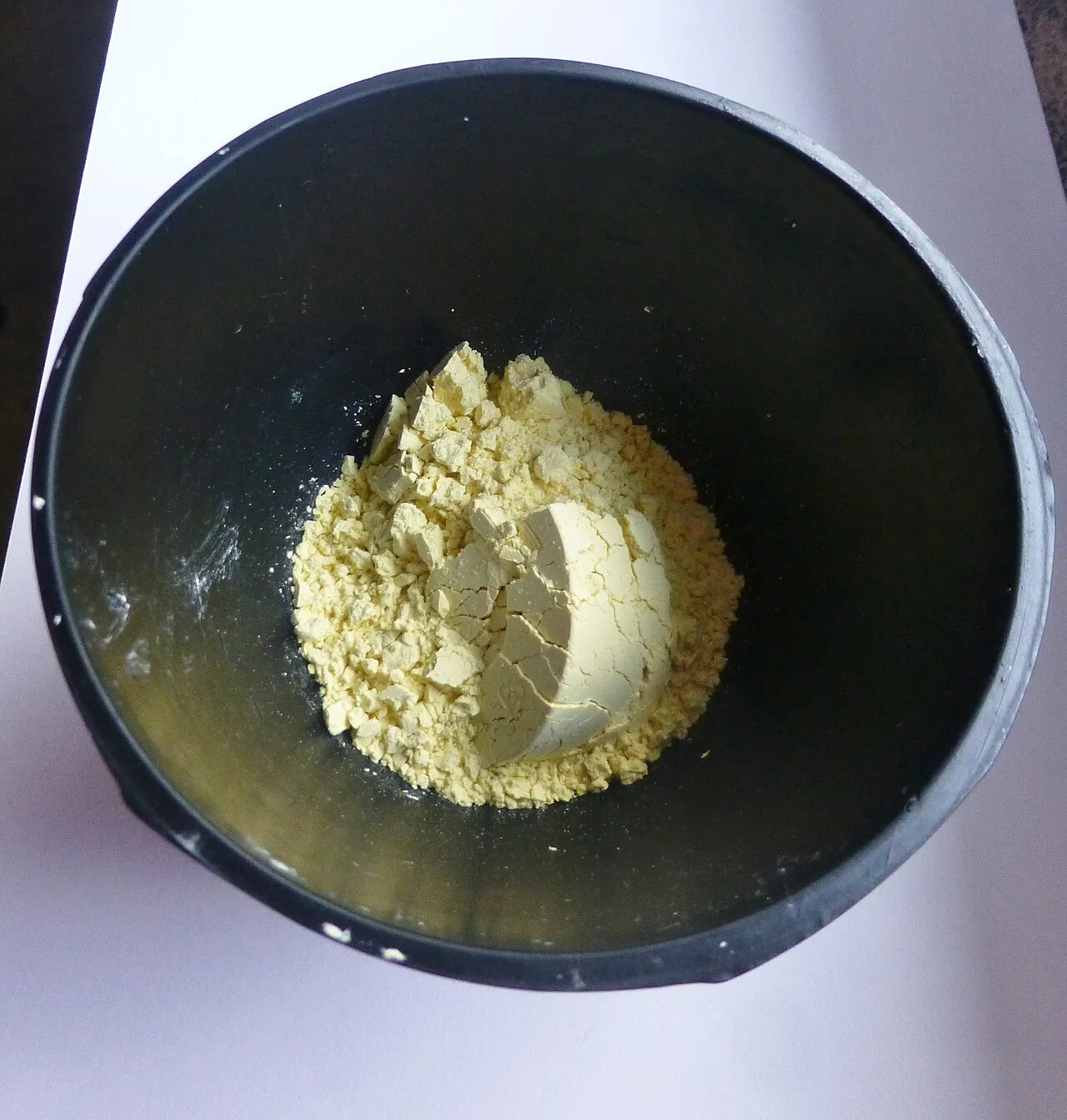 Alginate
A powder mixed with water to take impressions for study models and trays.
Alginate
A powder mixed with water to take impressions for study models and trays.
-
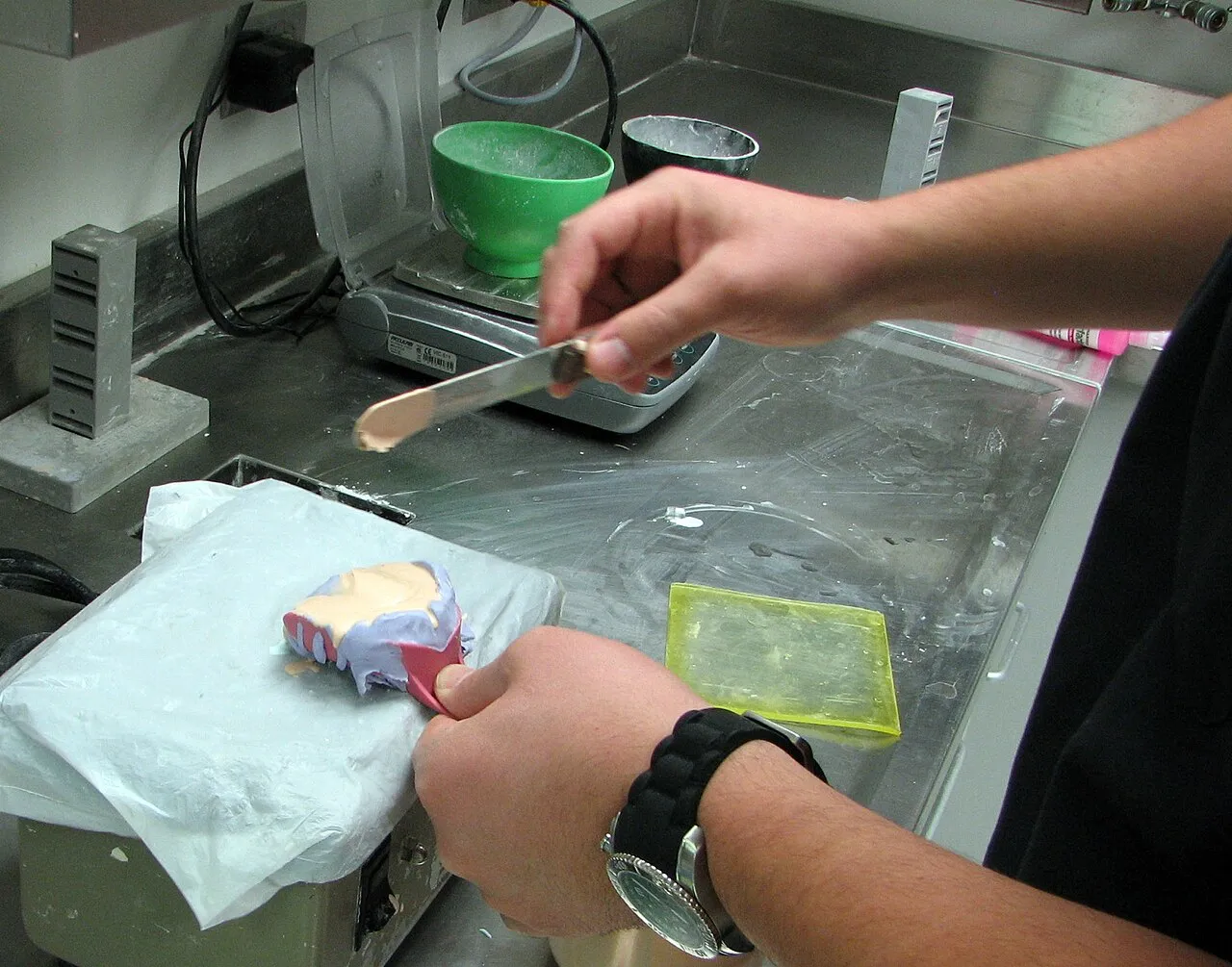 Gypsum (plaster and dental stone)
Powders mixed with water and poured into impressions to make models.
Gypsum (plaster and dental stone)
Powders mixed with water and poured into impressions to make models.
- Elastomeric impression material (PVS) Precise rubbery impression materials for crowns and bridges.
- Impression and appliance disinfectant Disinfecting impressions and appliances before they go to the lab or back to the patient.
- Pumice A gritty powder used wet on the lathe to polish appliances.
Chemical and waste safety basics
Labels, SDSs, eyewash, spills and the special waste rules for dental offices.
-
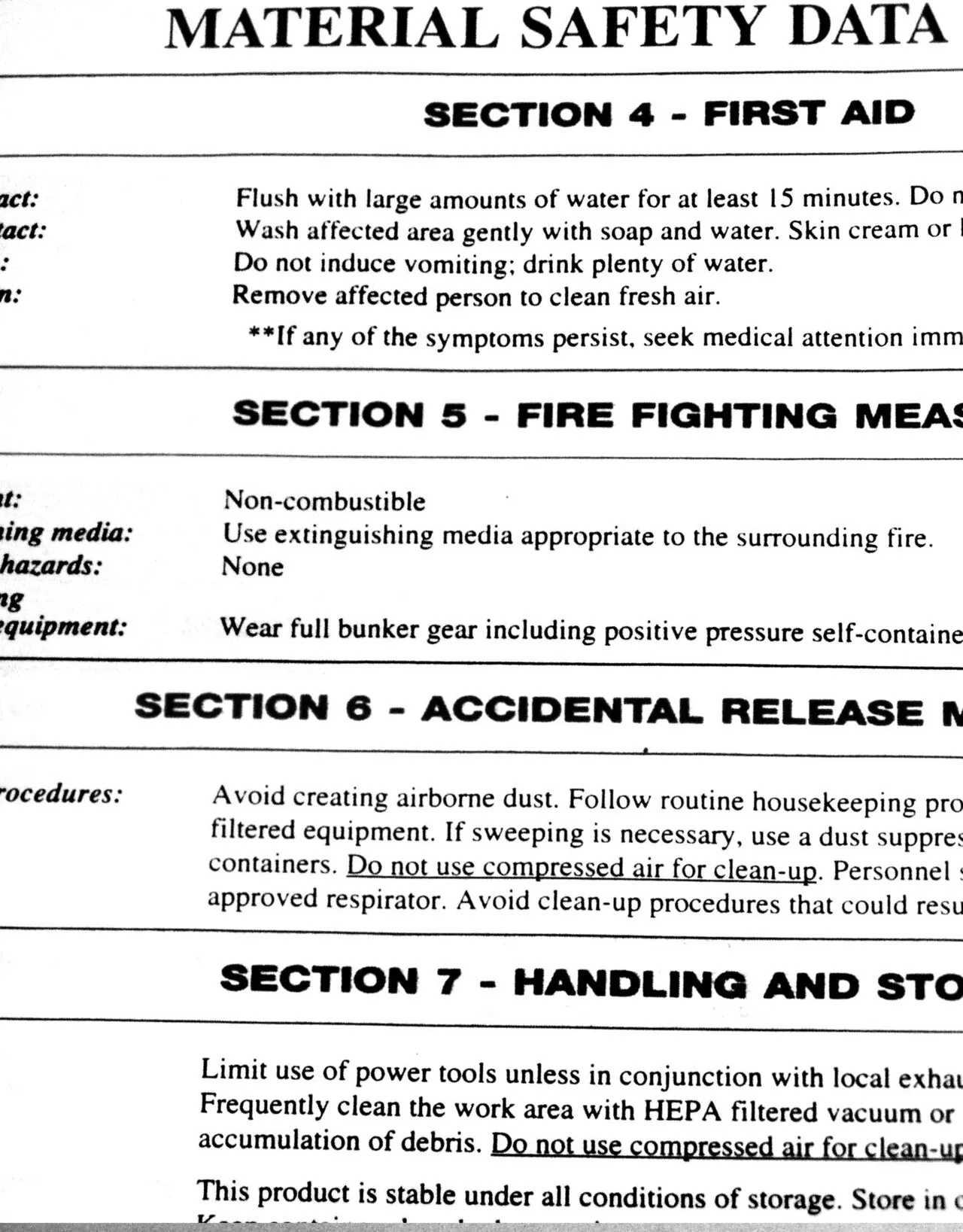 Safety data sheet (SDS)
The 16-section document that explains a chemical's hazards and how to handle it.
Safety data sheet (SDS)
The 16-section document that explains a chemical's hazards and how to handle it.
-
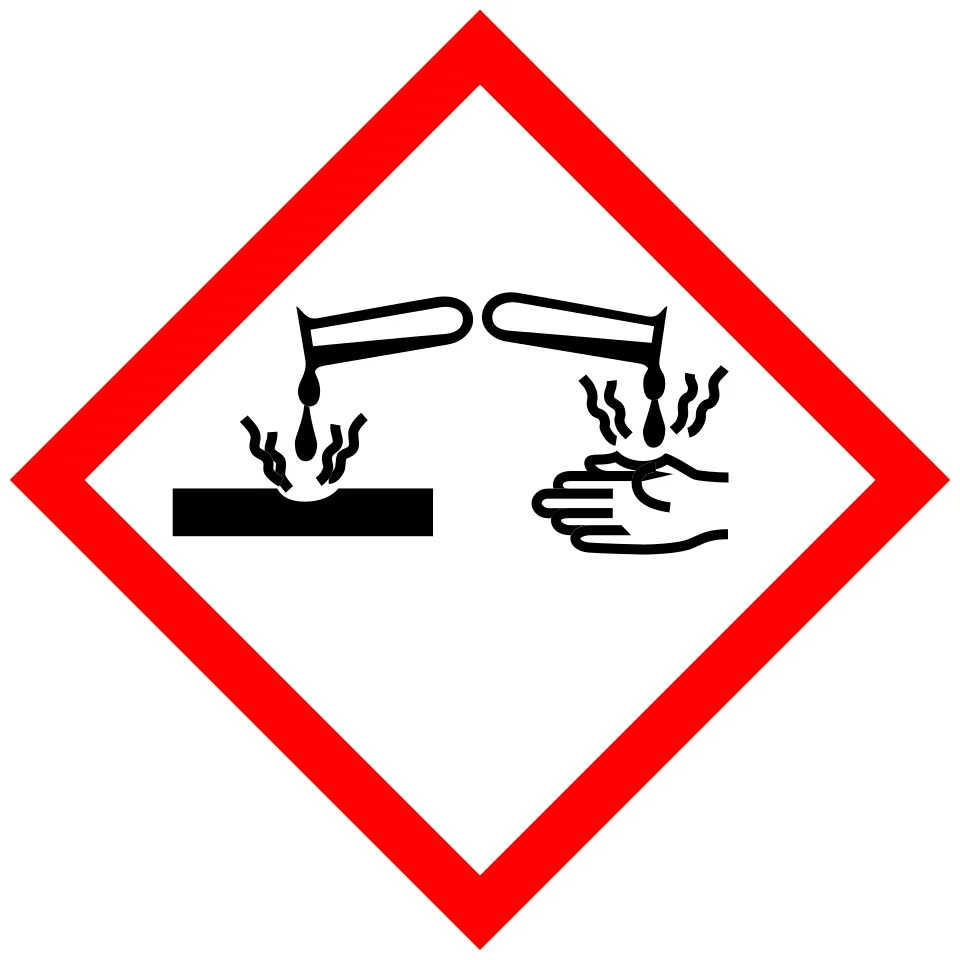 Chemical labels and pictograms
Standard labels with red-diamond symbols that warn about a chemical's hazards.
Chemical labels and pictograms
Standard labels with red-diamond symbols that warn about a chemical's hazards.
-
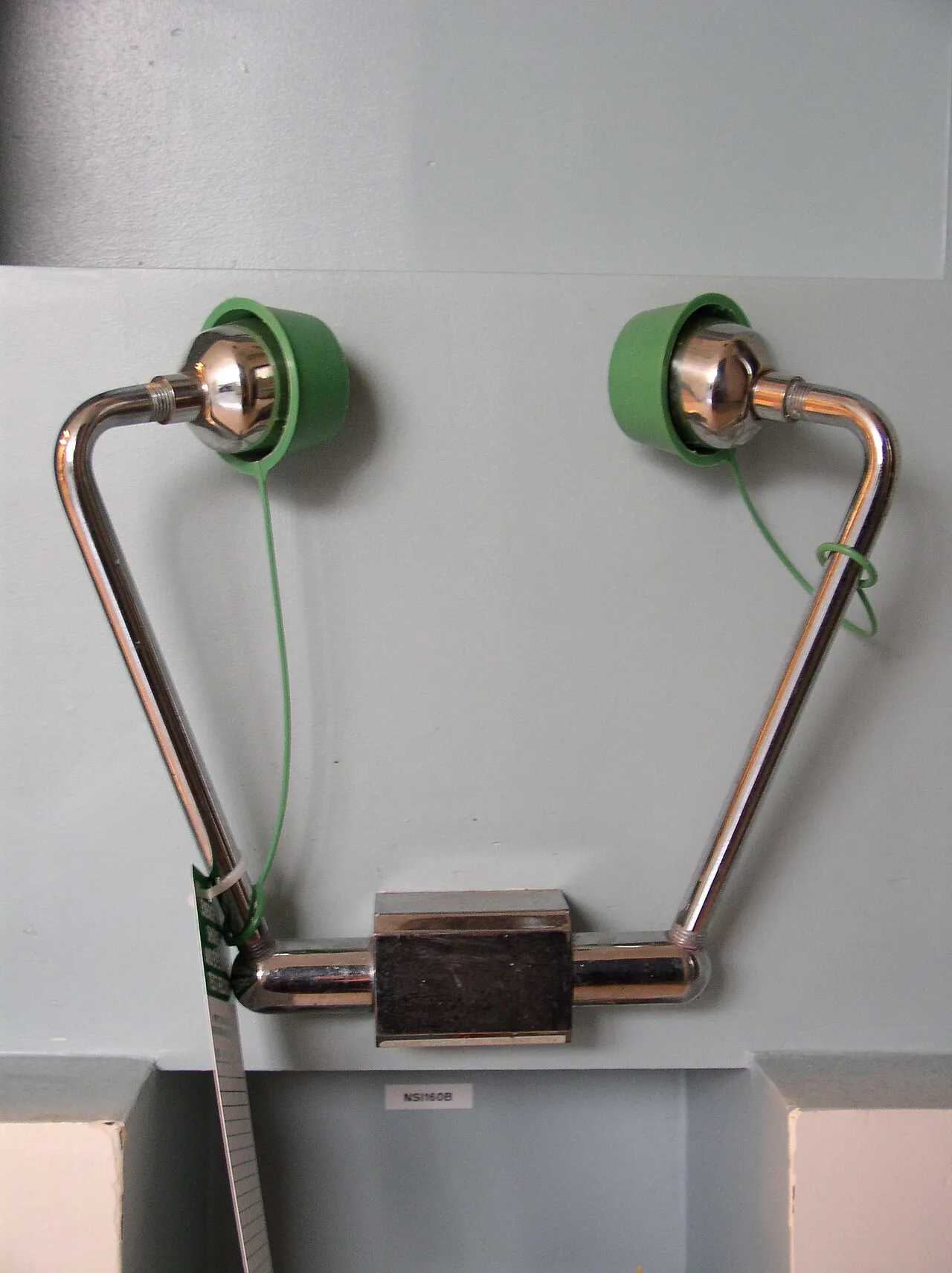 Eyewash station
A fixture or bottle station for flushing the eyes after a splash.
Eyewash station
A fixture or bottle station for flushing the eyes after a splash.
- Spill cleanup (blood and chemical) What to grab and do when blood or a chemical spills.
- Mercury and amalgam waste Old fillings, capsules and traps with mercury go to recycling, never the trash.
-
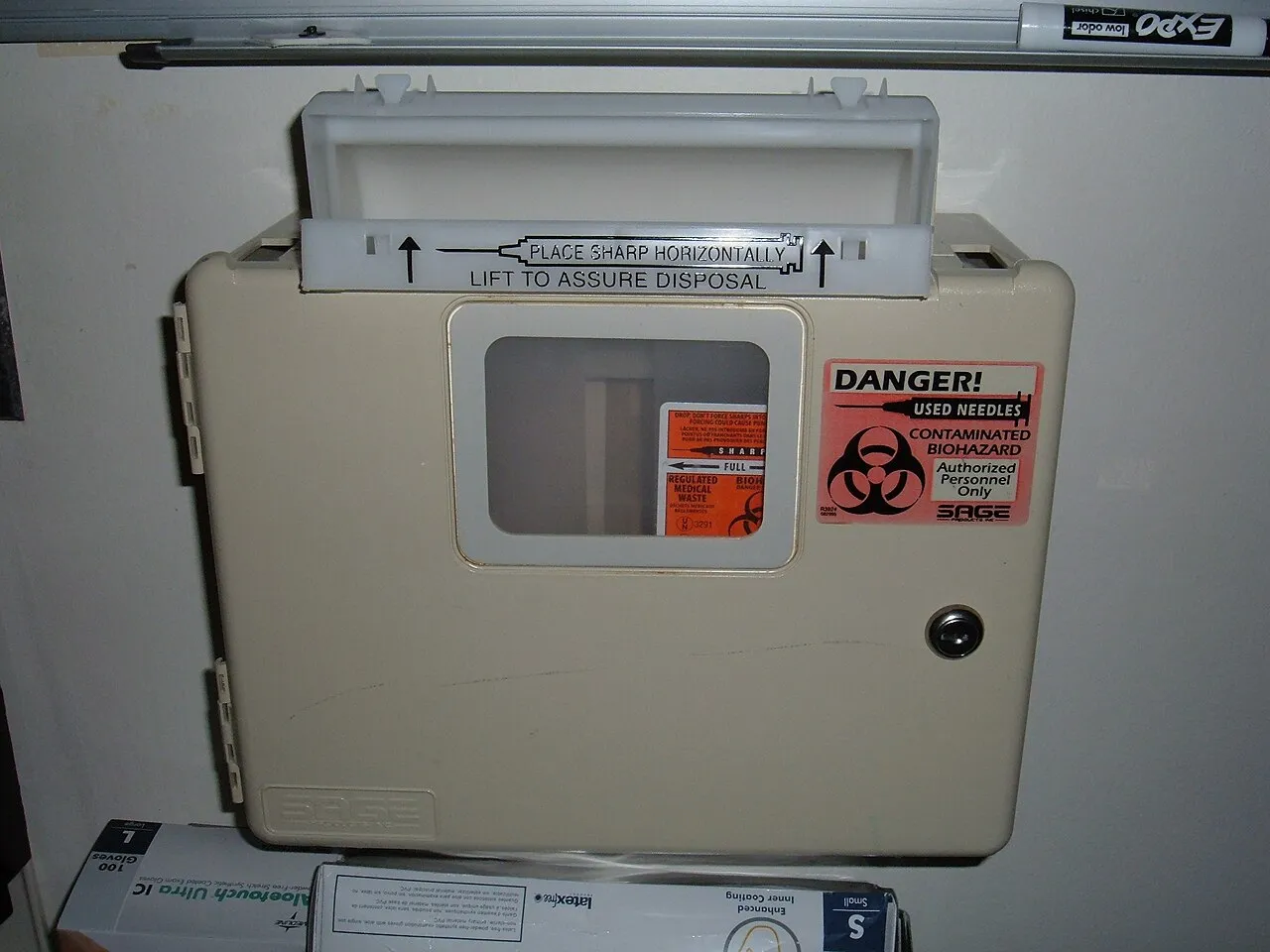 Sharps container
The puncture-proof container for needles, blades and other contaminated sharps.
Sharps container
The puncture-proof container for needles, blades and other contaminated sharps.
-
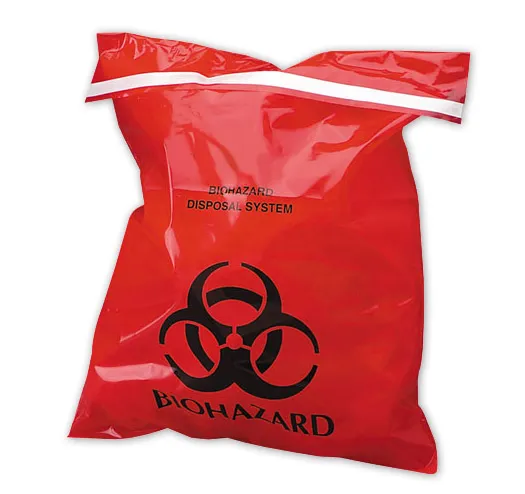 Regulated medical waste (biohazard waste)
The small share of waste that needs a red bag or special disposal.
Regulated medical waste (biohazard waste)
The small share of waste that needs a red bag or special disposal.
- Utility gloves Thick reusable gloves for cleaning instruments, rooms and chemicals.
No matches. Try another word, or browse the groups above.